
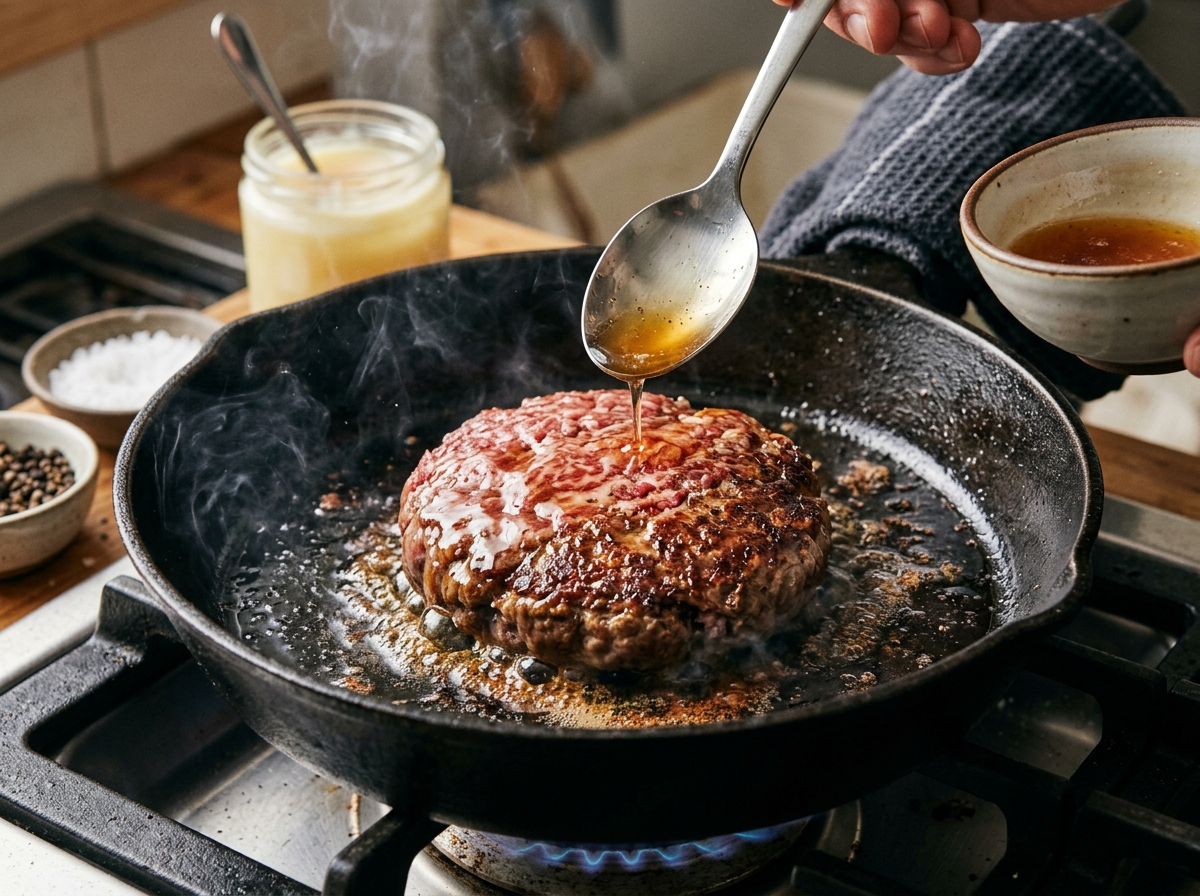
A single tablespoon of wagyu tallow can make a regular ground beef patty taste like something off a steakhouse menu. That’s not an exaggeration — it’s just what happens when you cook with one of the richest, most flavorful animal fats available.
Most home cooks have heard of wagyu beef. The marbling, the melt-in-your-mouth texture, the price tag that makes your wallet cry. But here’s the thing — you don’t need to buy a $150 wagyu steak to get that signature buttery richness into your food. Wagyu tallow, which is the rendered fat from wagyu cattle, gives you a huge chunk of that flavor for a fraction of the cost. And burgers happen to be the perfect canvas for it.
Whether you’re griddling smash burgers on a flat top, grilling thick patties over charcoal, or just pan-searing in your kitchen, wagyu tallow changes the game. It adds depth, richness, and a savory quality that butter and vegetable oil simply can’t match.
Let’s walk through exactly how to use it, when to use it, and the small details that make a real difference.
What Exactly Is Wagyu Tallow?
Tallow is rendered beef fat. You take the raw fat (called suet), slowly melt it down, strain out the solids, and you’re left with a clean, shelf-stable cooking fat. People have been cooking with tallow for centuries — it’s nothing new.
Wagyu tallow specifically comes from wagyu cattle, a breed originally from Japan that’s known for extreme intramuscular marbling. That marbling isn’t just in the steaks. The fat itself has a different composition compared to regular beef fat. Wagyu fat contains a higher percentage of monounsaturated fatty acids, particularly oleic acid — the same healthy fat found in olive oil. That’s partly why wagyu fat has a lower melting point and feels almost creamy on the palate instead of waxy or greasy.
So when you render that fat into tallow, you get something special. It’s softer at room temperature than regular beef tallow, it melts faster on a hot surface, and it carries a deep, clean beef flavor with subtle sweetness. Think of it as the difference between cooking with generic butter and cooking with high-quality European-style cultured butter. Same concept, different fat, noticeable result.
You can buy wagyu tallow online from brands like South Chicago Packing or Fatworks, or from local farms that raise wagyu or wagyu-cross cattle. A jar typically costs between $12 and $25, and since you only use a small amount per cook, it lasts a while.
Why Wagyu Tallow Works So Well for Burgers
You might wonder why burgers specifically. After all, you could use wagyu tallow for frying eggs, searing steaks, or roasting vegetables. And yes, it’s great for all of that. But burgers benefit from wagyu tallow in ways that other foods don’t — and there are a few reasons for that.
The flavor compound effect. Ground beef already has a complex beefy flavor from the mix of muscle and fat. When you cook a patty in wagyu tallow, you’re essentially layering beef flavor on beef flavor. The tallow doesn’t compete with the meat — it amplifies it. The result is a burger that tastes more intensely “beefy” without adding any artificial seasoning or flavor enhancers.
The crust factor. A great burger crust — that dark, caramelized, almost crispy exterior — depends entirely on fat and heat. Wagyu tallow has a smoke point around 400°F (roughly 205°C), which is high enough for proper searing without burning. And because it melts so cleanly, it creates an even, thin layer of fat across your cooking surface. That means better contact between the meat and the heat, which means a more uniform, deeper crust. If you’ve ever struggled to get that restaurant-quality sear on smash burgers at home, tallow might be the missing piece.
The moisture issue. One of the biggest complaints people have about homemade burgers is dryness. Even with the right fat ratio in your ground beef, it’s easy to lose moisture during cooking. Wagyu tallow helps here because it essentially bathes the exterior of the patty in fat as it cooks. Some of that fat gets absorbed back into the meat’s surface, keeping things juicy even if you cook a little past your target temperature.
How to Use Wagyu Tallow on a Flat Top or Griddle
Flat top griddles are where wagyu tallow truly shines. The flat surface lets the melted tallow pool slightly, and your burger patty cooks directly in that rendered fat. It’s basically like a shallow fry situation, and the results are outstanding.
Here’s how to do it right.
Start by preheating your griddle to medium-high heat — you want the surface around 375°F to 425°F. If you have an infrared thermometer, use it. If not, flick a tiny drop of water on the surface. When it sizzles and evaporates within about two seconds, you’re in the right range.
Take about a tablespoon of wagyu tallow and drop it onto the hot griddle. It’ll melt almost immediately because of that low melting point we talked about. Spread it around with a spatula or the back of a spoon. You don’t need a pool of fat — just a thin, even coating across the area where your patties will go.
Now place your patties on that slick of tallow. If you’re making smash burgers, this is the moment where you press down hard with your spatula. The tallow will sizzle and pop up around the edges of the meat, getting into all those little crevices and creating that gorgeous, lacy crust that people go crazy for.
Here’s a trick that separates good from great: add a tiny bit more tallow — maybe half a teaspoon — right on top of the patty before you flip. When you flip the burger, that little dab of tallow melts directly onto the fresh side and hits the hot griddle underneath, creating an instant sear. It’s a small move, but you’ll see (and taste) the difference.
For thicker patties that need more time on the heat, resist the urge to keep adding tallow. One initial coat and maybe one small addition at the flip is plenty. Too much fat won’t ruin the burger, but it can make the crust soggy instead of crispy. You want searing, not deep frying.
Pro Tip: If you’re cooking multiple batches, scrape the griddle clean between rounds and lay down fresh tallow each time. Old bits of crust and leftover fat from the previous batch can burn and turn bitter.
How to Use Wagyu Tallow on a Grill
Using tallow on a grill takes a slightly different approach since you don’t have a flat surface to work with. The fat can drip through the grates, and flare-ups are a real concern. But it absolutely still works — you just have to be a bit more strategic.
The simplest method is to coat your patties directly. Before your burgers hit the grill, rub a thin layer of softened wagyu tallow on the outside of each patty. Just take a small amount — maybe a teaspoon per side — and gently spread it across the surface of the meat with your fingers or a brush. This gives the exterior a head start on fat rendering and encourages faster browning when the patty touches those hot grates.
Make sure your grill is properly preheated. You want high, direct heat for the initial sear. Place the tallow-coated patties on the grates and let them cook without moving for about three to four minutes. That initial contact time is crucial for building a good crust. The tallow melts, drips slightly, and creates small flare-ups that actually help char the exterior (in a good way, not a “my burger is on fire” way).
Another approach is to use a cast iron skillet or a cast iron press directly on the grill grates. You heat the skillet over the grill’s flames, add the wagyu tallow just like you would on a flat top, and cook your patties right in the pan. This gives you the best of both worlds — grill-level heat with flat-surface fat contact. It’s especially useful if you’re debating between the flat top and grill cooking styles and want to test tallow without committing to one setup.
Quick Warning: Don’t drizzle wagyu tallow directly onto open flames or hot coals. It’ll cause aggressive flare-ups that can char the outside of your burger black while leaving the inside raw. Controlled contact through the patty’s surface is the way to go.
How to Use Wagyu Tallow in a Pan (Stovetop Method)
Not everyone has a griddle or grill, and that’s perfectly fine. A cast iron skillet on your stovetop is one of the best burger-cooking surfaces out there, and it happens to work beautifully with wagyu tallow.
Heat your cast iron skillet over medium-high heat for about three to five minutes. Cast iron takes longer to heat evenly than thinner pans, and you want the entire surface consistently hot — no cool spots. Once it’s properly preheated, add about a tablespoon of wagyu tallow. Swirl the pan gently to coat the bottom.
Wait about 20 to 30 seconds after the tallow melts. You want it hot and shimmering but not smoking. Then lay your patties in the pan and don’t touch them. Let the tallow and the heat do their job. You’ll hear a strong, confident sizzle — that’s exactly what you want.
After about three minutes (for a standard half-inch thick patty), flip once. If you want an accurate read on doneness, use an instant-read thermometer. For a medium burger, you’re looking at about 145°F to 150°F internal temperature, depending on your preference.
One advantage of the pan method: the rendered fat from the tallow mixes with the juices that come off the burger, creating a kind of natural “sauce” in the pan. You can spoon a little of that liquid gold over the patties in the final minute of cooking — basically basting the burgers, just like you’d baste a steak in butter. Add a slice of cheese, cover the pan for about 30 seconds to melt it, and you’ve got something genuinely special.
Mixing Wagyu Tallow Directly Into Your Ground Beef
This is where things get interesting. Instead of cooking in wagyu tallow, you can mix it into your burger blend before forming patties. It’s a technique that some butchers and burger enthusiasts swear by, and it can elevate even average grocery store ground beef into something much more memorable.
The idea is simple. You take your ground beef — ideally something with a good fat-to-lean ratio like 80/20 — and fold in small pieces of chilled or frozen wagyu tallow. As the burger cooks, those little pockets of tallow melt and create bursts of rich, wagyu-flavored juice inside the patty.
Here’s how to do it properly. Start with cold tallow. Cut it into very small cubes — about the size of peas or smaller. If the tallow is too soft to cut, stick it in the freezer for 30 minutes until it firms up. You want solid little pieces that won’t smear into the meat when you mix.
For one pound of ground beef, use about one to two tablespoons of diced wagyu tallow. Gently fold the pieces into the ground beef using your hands. Don’t overwork the meat. Overhandling ground beef compresses the proteins and leads to tough, dense burgers — and that’s the last thing you want. Mix until the tallow pieces are roughly distributed throughout, then form your patties.
If you like to grind your own hamburger meat, you can actually add chunks of wagyu tallow to the grinder along with your beef cuts. Run it all through together on a coarse grind setting, and you get incredibly even distribution. This is probably the best method if you have the equipment.
Did You Know? Some high-end burger restaurants use a similar technique but with wagyu fat trimmings from their steak program. They’re essentially recycling expensive fat scraps into their burger blend, which is both smart and delicious. You can do the exact same thing at home with store-bought wagyu tallow.
Flavor Pairing: What Goes Well with Wagyu Tallow Burgers
Wagyu tallow adds a rich, savory, almost umami-like depth to burgers. That means your toppings and seasoning choices should complement — not fight against — that richness. Here are some pairings that work really well.
Keep your seasoning simple. When you’re cooking with wagyu tallow, the fat itself is a flavor ingredient. You don’t need elaborate spice blends or heavy sauces. A generous pinch of kosher salt and freshly cracked black pepper on each side of the patty is honestly all you need. The tallow does the rest. If you want to go one step further, a light dusting of garlic powder adds a subtle background note that pairs well with the beef richness.
For cheese, go with something that can stand up to the tallow’s intensity. Sharp cheddar, aged gruyère, smoked gouda, or even a good blue cheese crumble all work. Mild American cheese is fine too — it melts beautifully and adds creaminess without competing.
Toppings that add contrast are your friend. Think pickled onions for acidity, a thin spread of Dijon mustard for sharpness, or crisp lettuce and a slice of ripe tomato for freshness. Caramelized onions are stunning on a wagyu tallow burger because the sweetness of the onions plays against the deep savory notes of the fat.
Skip heavy, creamy sauces. A thick slathering of mayo-based sauce can actually mute the wagyu flavor you worked to create. If you want a sauce, go light — a thin layer of a good burger sauce or just a touch of ketchup and mustard is plenty.
Common Mistakes to Avoid
Even though using wagyu tallow is pretty straightforward, there are a few missteps that can mess up your results.
Using too much tallow. More isn’t always better. A tablespoon per cooking session is usually enough for two to three patties. If you go overboard, your burgers end up swimming in grease, and the crust never develops properly. You want just enough fat to facilitate contact between the meat and the cooking surface.
Cooking at too low a temperature. Wagyu tallow works best at high heat. If your griddle, pan, or grill isn’t hot enough, the tallow won’t create that instant sear. Instead, the patty will sort of stew in the fat, turning gray and steamed instead of brown and crusty. Get that surface hot before the tallow goes down, and definitely before the meat goes down.
Buying poor quality tallow. Not all wagyu tallow is created equal. Some cheaper products are blended with regular beef tallow or have additives. Look for 100% pure wagyu tallow with no fillers. The ingredient list should say one thing: wagyu beef fat. If it lists anything else, keep shopping.
Forgetting that the beef still matters. Wagyu tallow improves a burger, but it doesn’t fix bad meat. Start with quality ground beef that has good flavor and proper fat content. Tallow is an enhancement, not a rescue mission.
How to Store Wagyu Tallow
One jar of wagyu tallow typically lasts a good while since you use so little each time. But storing it properly matters.
At room temperature, quality wagyu tallow stays good for several months in a sealed container, kept away from direct sunlight. It’ll be semi-soft — almost like the consistency of coconut oil at room temperature. In the fridge, it firms up and can last six months to a year easily. You can also freeze it for even longer storage.
If you buy in bulk or render your own, consider portioning the tallow into ice cube trays. Freeze it, pop out the cubes, and store them in a freezer bag. Each cube is roughly a tablespoon, which is perfect for one burger cooking session. Just pull a cube out, toss it on the hot griddle, and you’re ready to go. No measuring, no mess.
Is Wagyu Tallow Worth the Price?
Let’s address the elephant in the room. Wagyu tallow costs more than regular cooking oil or even regular beef tallow. A jar might run you $15 to $25, depending on the brand and size. So is it actually worth it?
Here’s how I think about it. A jar of wagyu tallow gives you roughly 15 to 25 cooking sessions, depending on how much you use each time. That works out to somewhere between $0.75 and $1.50 per cook. Compare that to what you’d spend upgrading your ground beef from regular chuck to wagyu ground beef (which can run $15 to $30 per pound), and the tallow route gives you a significant flavor upgrade at a fraction of the cost.
You’re essentially adding wagyu-level flavor to regular burgers for about a dollar extra per meal. That’s a pretty good deal.
If you’re someone who really cares about how your burgers taste — and you’re already paying attention to things like keeping burgers juicy and knowing when to flip — wagyu tallow is a logical next step. It’s not essential, but once you try it, cooking burgers without it feels like something’s missing.
FAQ
Can I use wagyu tallow on any type of burger, including turkey or chicken burgers?
Yes, but the flavor profile will be different. Wagyu tallow adds a rich, beefy taste, so it pairs naturally with beef burgers. On turkey or chicken patties, it still provides great searing and moisture, but you’ll taste the beef-forward flavor of the tallow alongside the poultry. Some people love that combination; others prefer to keep their poultry burgers lighter. For meatless or plant-based burgers, wagyu tallow adds a meaty depth that can actually make them more satisfying — though it obviously means they’re no longer vegetarian.
How much wagyu tallow should I use per burger?
About one tablespoon of tallow on your cooking surface is enough for two to three standard patties. If you’re mixing tallow directly into the ground beef, use one to two tablespoons per pound of meat. You can adjust to your taste after a few cooks, but starting conservative is smart. You can always add more next time — you can’t take it away once the burger is cooked.
Does wagyu tallow make burgers greasy?
Not if you use the right amount and cook at the right temperature. Wagyu tallow actually has a cleaner mouthfeel than many other cooking fats because of its fatty acid composition. At proper cooking temperatures (375°F and above), the tallow helps create a crust that seals the exterior rather than soaking into the meat. If your burgers are turning out greasy, the issue is likely too much tallow or not enough heat — or both.
Can I reuse wagyu tallow after cooking burgers?
Technically, yes. You can strain used tallow through a fine mesh sieve or cheesecloth to remove food particles and store it for another use. The flavor will have changed slightly from the burger drippings, which can actually be a good thing — it’ll have even more savory depth. Just make sure to use it within a few days if stored in the fridge, and never reuse tallow that smells off or was burned during cooking.
Where’s the best place to buy wagyu tallow?
Online retailers like Amazon carry several reputable brands, including South Chicago Packing, Fatworks, and various small farm operations. Local butcher shops that carry wagyu beef sometimes sell rendered tallow or raw suet you can render yourself. Farmer’s markets are another great source, especially if you can find ranchers who raise fullblood or crossbred wagyu cattle.
Your Next Burger Night Just Got Better
Wagyu tallow isn’t some complicated chef technique or a trendy gimmick. It’s a simple, practical ingredient that makes a real, noticeable difference in how your burgers taste. A thin coat on the griddle, a small dab mixed into the meat, or a light rub on the patty before grilling — any of these approaches gives your burgers a richer, more savory, more satisfying flavor with very little effort.
Start with a single jar on your next burger night. Use it alongside the basics — good meat, proper heat, the right internal temperature, simple seasoning. Pay attention to the difference in crust color, aroma, and that first bite. You’ll notice it right away.
And once you do, you’ll probably start looking for other things to cook in it. Eggs. Fries. Potatoes. Grilled cheese. That’s the thing about wagyu tallow — it starts as a burger upgrade and quietly becomes a kitchen staple.