
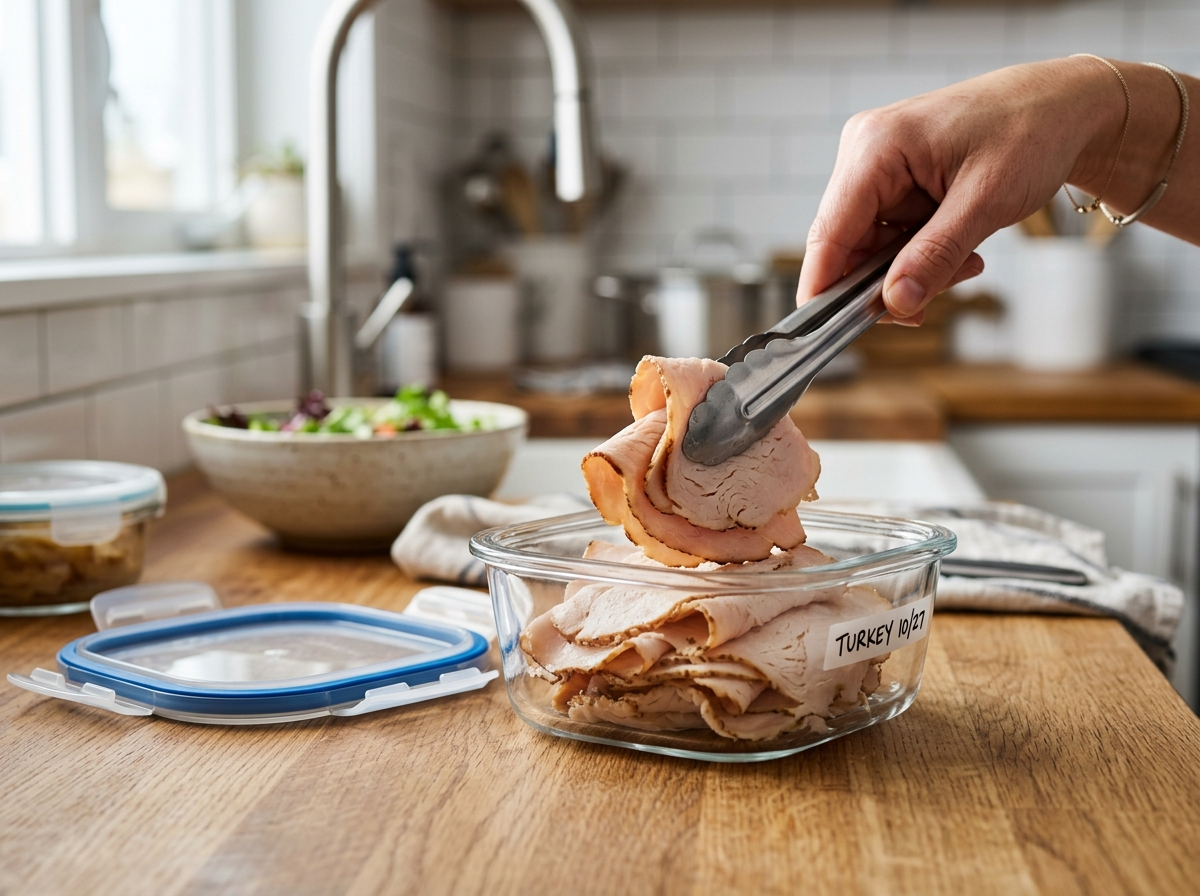
You bought a half-pound of turkey from the deli counter, and two days later it already has that weird slimy coating. Sound familiar? Most people don’t realize that how you handle deli meat after you get it home matters just as much as the sell-by date on the package. The difference between fresh-tasting cold cuts on day five and a questionable mess on day two usually comes down to a few small habits. Here’s exactly how to store deli meat so it stays safe, tasty, and ready for your next sandwich.
How Long Deli Meat Actually Lasts in the Fridge
The answer depends on what kind of deli meat you bought and how it was packaged. Not all cold cuts are created equal when it comes to shelf life.
Pre-packaged, factory-sealed deli meat (the kind you grab off the shelf in a plastic pouch) will typically last up to two weeks unopened in the fridge, assuming you keep it at or below 40°F. Once you crack that seal, the clock speeds up dramatically. You now have about three to five days to finish it.
Freshly sliced deli meat from the counter is a different story. Because it was exposed to air, handling, and the slicer blade at the deli, it has a shorter window. Plan to eat freshly sliced meat within three to five days of purchase. That’s the recommendation from the USDA’s Food Safety and Inspection Service, and it’s a good baseline to follow.
If you want a more detailed breakdown by meat type, our guide on how long deli meat lasts in the fridge covers the specifics for turkey, ham, roast beef, salami, and more.
A quick note on those “use-by” dates printed on packaging. They’re a helpful guideline, but they’re not a magic expiration switch. A sealed package kept at a consistent 37°F might be perfectly fine a day or two past the printed date. On the flip side, a package that’s been sitting in a warm car for an hour before making it to your fridge could spoil well before the date. Trust your senses alongside the calendar.
The Best Way to Store Deli Meat in the Fridge
Storing deli meat properly isn’t complicated, but a few details make a big difference. Here’s what actually works.
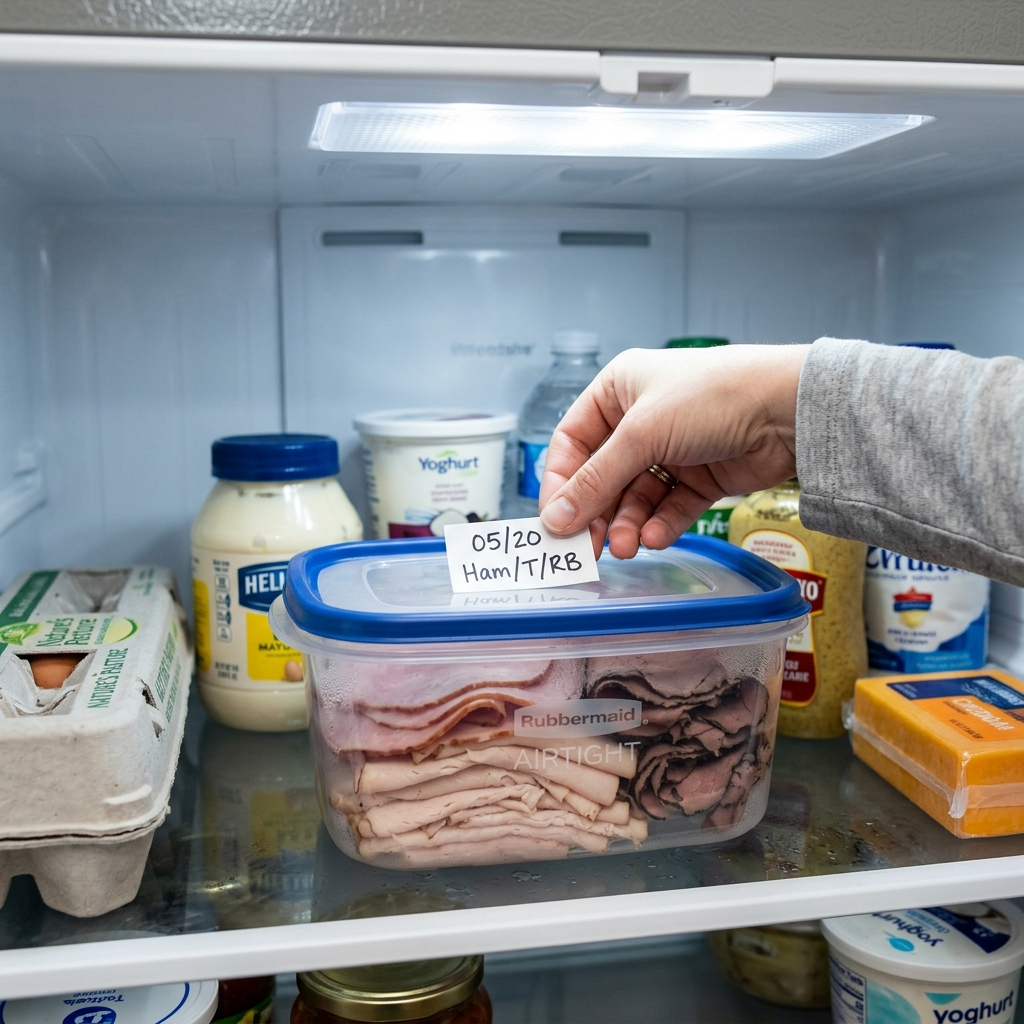
Keep it cold and keep it consistent. Your fridge should be set at 40°F or below. The ideal spot for deli meat is the meat drawer or the bottom shelf toward the back, where temperatures stay coldest and most stable. The door shelves are the worst place for cold cuts because the temperature swings every time someone opens the fridge.
Re-wrap it after opening. If you bought pre-packaged sliced meat, the original resealable pouch is okay for a day or two, but those zippers rarely seal perfectly after the first use. You’ll get better results by transferring the meat to an airtight container or wrapping it tightly in plastic wrap or aluminum foil. The goal is to limit the meat’s exposure to air, which is what causes drying, oxidation, and bacterial growth.
Use the paper towel trick. This is one of those small things that makes a real difference. Place a dry paper towel inside the container or bag with your deli meat. The paper towel absorbs excess moisture, which is the main culprit behind that slimy film that develops on sliced meats. Replace the paper towel every day or two if you notice it getting damp.
If you want a deeper walkthrough on the specifics of fridge storage, check out our full piece on how to store deli meat for additional tips.
Keep different meats separate. Stacking ham directly on top of turkey might seem fine, but different meats can transfer moisture and bacteria to each other. Store each type in its own container or bag, especially if you bought them on different days.
Choosing the Right Deli Meat Storage Container
The container you use plays a bigger role than most people think. The wrong container traps moisture and speeds up spoilage. The right one keeps your cold cuts fresh for the full three to five days.
Glass containers with snap-lock lids are the gold standard. They seal tightly, they don’t absorb odors or stains, and you can see exactly what’s inside without opening the lid. A good glass container keeps air out and moisture regulated, especially when you add that paper towel layer.
Plastic deli containers (the round ones with tight-fitting lids that deli counters sometimes use) work well too. They’re lightweight and stackable. Just make sure the lid actually snaps shut. If it’s loose or warped, air is getting in.
Resealable plastic bags are the most common option, and they’re fine in a pinch. Squeeze out as much air as possible before sealing. The problem with bags is that they don’t protect the meat from getting squished, and the seal tends to weaken after a few uses. If you go the bag route, press the air out gently and fold the top over before clipping it.
Avoid storing deli meat in the thin plastic wrap it came in from the deli counter. That wrap is meant for short-term transport, not multi-day storage. It lets air in and doesn’t seal well once you peel it back.
| Container Type | Airtight Seal | Moisture Control | Durability | Best For |
|---|---|---|---|---|
| Glass snap-lock | Excellent | Great with paper towel | High | Everyday fridge storage |
| Plastic deli tub | Good | Good with paper towel | Medium | Stacking, meal prep |
| Resealable bag | Fair | Moderate | Low | Short-term, 1-2 days |
| Original deli wrap | Poor | Poor | Very low | Transport only |
Can You Freeze Deli Meat? (And How to Do It Right)
Yes, you can freeze deli meat, and it’s a smart move if you bought more than you can eat in a few days. Freezing pauses the clock on spoilage and gives you up to one to two months of quality storage.
That said, freezing does change the texture of deli meat slightly. The water inside the thin slices forms ice crystals, and when you thaw the meat, those crystals can leave it a bit more crumbly or wet than fresh-sliced. Cured meats like salami, pepperoni, and bologna handle freezing better than delicate slices like turkey or chicken breast. The higher fat and salt content in cured meats protects the texture.
How to freeze deli meat properly:
- Separate the slices with small squares of parchment paper or wax paper. This prevents them from freezing into a solid brick and lets you pull out just what you need.
- Wrap the stack tightly in plastic wrap, then place it inside a freezer-safe resealable bag. Squeeze out the air.
- Label the bag with the date and the type of meat. You’ll thank yourself later.
- Store it in the coldest part of the freezer, not the door.
When you’re ready to use it, thaw the meat in the fridge overnight. Don’t thaw it on the counter at room temperature — that’s a fast track to bacterial growth. Once thawed, eat it within a day or two and don’t refreeze it.
For a more detailed look at which meats freeze best and which ones to avoid putting in the freezer, our freezing deli meat guide breaks it all down.
How to Tell If Deli Meat Has Gone Bad
This is where food safety gets real, and it’s worth paying close attention. Deli meat is a ready-to-eat product, which means you won’t be cooking it to kill bacteria before you eat it. That makes proper storage and spoilage detection especially important.
Food Safety Disclaimer: The information in this section is general guidance based on USDA and FDA recommendations. It is not a substitute for professional food safety advice. When in doubt, throw it out. If you have a compromised immune system, are pregnant, or are preparing food for young children or elderly family members, follow the strictest storage timelines and consult foodsafety.gov for the latest guidelines.
Here are the signs to watch for:
Slimy or sticky surface. A thin, tacky film on the surface of deli meat is one of the earliest signs of bacterial growth. You might be tempted to rinse it off and use the meat anyway. Don’t. That slime is a sign that bacteria have multiplied to a level that rinsing won’t fix.
Off smell. Fresh deli meat should smell mild and slightly salty or smoky, depending on the type. If it smells sour, ammonia-like, or just “wrong,” it’s time to toss it. Your nose is a surprisingly reliable tool here.
Color changes. Turkey and chicken should be a pale pink or off-white. Ham should be pink. Roast beef should be brownish-red. If you see gray, green, or iridescent patches, the meat is breaking down. A slight rainbow sheen on roast beef is actually normal — it’s caused by light reflecting off the sliced muscle fibers and isn’t a sign of spoilage. But actual green or gray discoloration is a red flag.
Mold. This one’s obvious. Any visible mold means the entire package is contaminated, even if you only see it on one slice. Mold roots spread invisibly through soft, moist foods like deli meat.
It’s past the safe window. Even if the meat looks and smells fine, if it’s been in the fridge for more than five days (freshly sliced) or more than five days after opening (pre-packaged), the risk of listeria and other pathogens increases significantly. The FDA specifically warns that listeria can grow at refrigerator temperatures, which is what makes deli meat a higher-risk food compared to items you cook before eating.
Keeping Sliced Meat Fresh for Lunches
If you’re packing deli meat sandwiches for school or work lunches, you face an extra challenge: the meat spends hours outside the fridge. Keeping sliced meat fresh in a lunchbox requires a little planning.
Use an insulated lunch bag with an ice pack. This is non-negotiable if the lunch will sit out for more than two hours. A frozen gel pack keeps the internal temperature of the bag in the safe zone (below 40°F) for several hours. Without one, your deli meat is entering the “danger zone” where bacteria multiply rapidly.
Assemble the sandwich the night before and refrigerate it. Building the sandwich ahead of time and keeping it cold overnight actually helps the flavors meld. Just be sure to store it in an airtight container or wrapped tightly in plastic wrap to prevent the bread from drying out. If you’re worried about a soggy sandwich, our guide on how to prevent a soggy sandwich has some great layering tricks.
Pack condiments separately. Mayo, mustard, and dressings add moisture that can make the bread mushy and create a breeding ground for bacteria on the meat surface. Small condiment cups or packets work well.
Don’t let the sandwich sit out all day. The general food safety rule is that perishable food shouldn’t sit at room temperature for more than two hours, or one hour if it’s above 90°F. If you know the lunchbox will be sitting in a hot car or a warm classroom, err on the side of caution. You can read more about safe time limits in our piece on how long a sandwich can sit out.
If you’re packing for a group or a party and need to keep a larger quantity of deli meat fresh, our tips on storing leftover sandwich meat will help you avoid waste.
Frequently Asked Questions
How long does deli meat last in the fridge after opening?
Once you open a package of pre-packaged deli meat, you should eat it within three to five days. Freshly sliced meat from the deli counter follows the same timeline. Keep it in an airtight container in the coldest part of your fridge, ideally at or below 40°F, to get the full three to five days. If the meat develops a slimy texture or sour smell before that window closes, discard it immediately regardless of the date.
Is it safe to eat deli meat past the use-by date?
The use-by date is the manufacturer’s best estimate of peak quality, not a hard safety deadline. An unopened, factory-sealed package stored at a consistent 37-40°F may be safe for a day or two past the printed date. But once opened, the use-by date becomes less relevant — the three-to-five-day rule takes over. Always rely on your senses (smell, texture, color) alongside the calendar. If anything seems off, don’t risk it.
Why does my deli meat get slimy so fast?
That slimy coating is caused by bacterial growth, usually lactobacillus or other spoilage organisms that thrive in the moist, protein-rich environment of sliced meat. It develops faster when the meat is exposed to air, stored at inconsistent temperatures, or kept in a container that traps moisture. Using an airtight container, adding a dry paper towel to absorb excess moisture, and storing the meat in the coldest part of your fridge will slow this process down significantly.
Final Thoughts
Storing deli meat properly isn’t about being overly cautious — it’s about getting the most out of what you paid for and keeping your family safe. A good airtight container, a dry paper towel, and a spot in the back of the fridge where the temperature stays steady will add days to your cold cuts’ freshness. And if you buy in bulk, the freezer is your best friend.
Next time you’re at the deli counter, grab only what you’ll eat within the week, get it home and into proper storage quickly, and your sandwiches will taste just as good on Thursday as they did on Monday. Now go build the perfect deli sandwich with meat that’s actually fresh.