
You open the fridge to make a sandwich. The bread and meat are sorted. But what goes on top? Most people grab the same two or three things out of pure habit.
America’s sandwich game actually runs on a surprisingly specific set of toppings and condiments. Some are universal. Some split the country right down the middle. And a few regional favorites are finally spreading nationwide.
Here’s a look at the most popular sandwich toppings in America, why they work, and a few tricks to make your next sandwich noticeably better.
The All-Time Most Popular Sandwich Toppings in America
If you polled a thousand Americans about what they put on a sandwich, the top answers wouldn’t surprise you. But the order might.
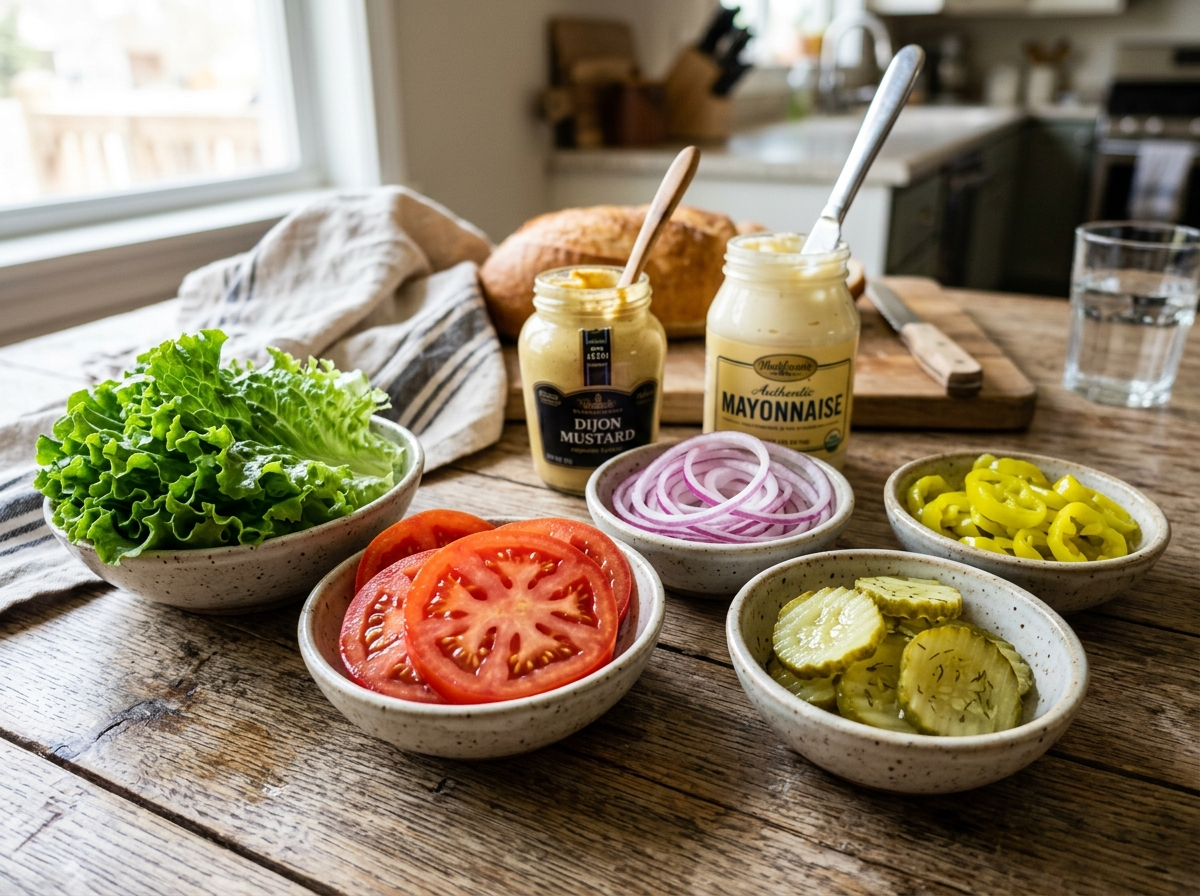
Lettuce and tomato sit at the very top of the list. According to multiple consumer surveys, including data from YouGov’s sandwich preferences research, lettuce is the single most common sandwich topping in the country. It adds crunch, a bit of moisture, and a fresh contrast to salty deli meats. Iceberg is the default for most people because it’s cheap, crisp, and holds up in a lunchbox. Romaine and green leaf show up more in deli shops and restaurants where texture matters a little more.
Tomato comes in a close second. A thick slice of beefsteak tomato on a BLT or a turkey club is basically non-negotiable for most Americans. The acidity cuts through rich meats and creamy spreads. The trick is to salt your tomato slices lightly before you put them on the bread — it pulls out extra moisture and concentrates the flavor. That small step makes a bigger difference than you’d think.
Onions round out the big three. Raw white or red onion adds sharpness and bite. Grilled or caramelized onions show up more on hot sandwiches like cheesesteaks and burgers. Red onion is the most popular choice for cold deli sandwiches because it’s milder and looks better.
Pickles deserve their own mention here. Dill pickle chips are the standard on American subs and hoagies. They bring acidity, crunch, and salt all in one bite. Bread-and-butter pickles have a smaller but loyal following, especially on turkey and ham sandwiches in the Midwest.
Bacon has climbed the rankings over the last decade. It used to be a BLT-exclusive. Now you’ll find it on club sandwiches, breakfast sandwiches, chicken sandwiches, and even grilled cheese. The smoky, salty crunch pairs with almost anything, which explains why it keeps showing up in more places.
Best Sandwich Toppings USA: The Condiment Power Players
Toppings get the visual credit, but condiments do the heavy lifting. A sandwich without the right spread falls flat fast.
Mayonnaise is the undisputed king of American sandwich condiments. It’s creamy, fatty, and coats the bread in a way that keeps other ingredients from drying it out. Full-fat mayo on white or wheat bread is the baseline for turkey sandwiches, chicken salad, tuna melts, and club sandwiches across the country. YouGov data consistently shows mayo as the most-used sandwich spread in the U.S., beating out mustard by a significant margin.
Mustard is the strong runner-up. Yellow mustard is the default for ham sandwiches, hot dogs, and bologna. Dijon shows up on more upscale deli builds, especially with roast beef and turkey. Spicy brown mustard — the kind you get at a New York deli — is the go-to for pastrami and corned beef. Each type brings a different level of heat and tang, so swapping your mustard can completely change a sandwich’s personality.
Oil and vinegar is the signature dressing for Italian subs and hoagies, especially in the Northeast and Mid-Atlantic. A drizzle of red wine vinegar and olive oil over layered meats, provolone, lettuce, tomato, and onion is what makes an Italian hoagie taste like it came from a corner deli in Philly. The acid brightens everything up and keeps the sandwich from feeling heavy. If you want to nail the ratio at home, a good starting point is three parts oil to one part vinegar with a pinch of oregano. For a deeper dive into getting that dressing right, check out this guide on oil and vinegar hoagie dressing.
Ranch dressing might surprise you if you grew up outside the U.S., but it’s a massive sandwich condiment in America, especially in the South and Midwest. People put it on chicken sandwiches, bacon-lettuce-tomato builds, and even cold cut subs. It’s creamy, herby, and slightly tangy — basically a more flavorful mayo for people who find plain mayo boring.
Hot sauce has moved from a niche add-on to a mainstream sandwich staple. Sriracha, Frank’s RedHot, and Cholula all show up regularly on chicken sandwiches, breakfast sandwiches, and turkey clubs. The heat level varies wildly by brand, so a few dashes go a long way.
Favorite Sandwich Fixings: Cheeses That Actually Show Up
Cheese is technically a filling, but most Americans think of it as a topping — something that goes on top of the meat. The most popular choices are pretty consistent.
American cheese is the most-used sandwich cheese in the country. It melts perfectly, has a mild flavor that doesn’t overpower anything, and comes pre-sliced in a way that fits standard sandwich bread. It’s the default for grilled cheese, club sandwiches, and any hot deli build where melt matters more than complexity.
Provolone is the second most popular, especially on Italian-style subs and cold cut hoagies. Sharp provolone has more bite than the mild version you find in most grocery store deli cases. If you’re building an Italian sub at home, ask for sharp provolone — the difference is real.
Swiss cheese shows up most often on Reubens, turkey sandwiches, and ham-and-cheese builds. It has a nutty, slightly sweet flavor that pairs well with smoked and roasted meats. The holes are iconic, but the real reason Swiss stays popular is that it melts well without turning greasy.
Cheddar is the go-to for anything with bacon, especially on burgers and chicken sandwiches. Sharp cheddar brings a tang that mild cheddar can’t match. White cheddar has become more popular in recent years, partly because it looks better on Instagram and partly because it tends to be aged longer.
Pepper jack is the choice when people want a little heat without reaching for hot sauce. It works especially well on turkey and chicken sandwiches and has become a standard option at most fast-casual sandwich chains.
Popular Sandwich Toppings for Hot vs Cold Sandwiches
The toppings that work on a cold deli sub don’t always translate to a hot sandwich, and vice versa. Here’s where the split gets interesting.
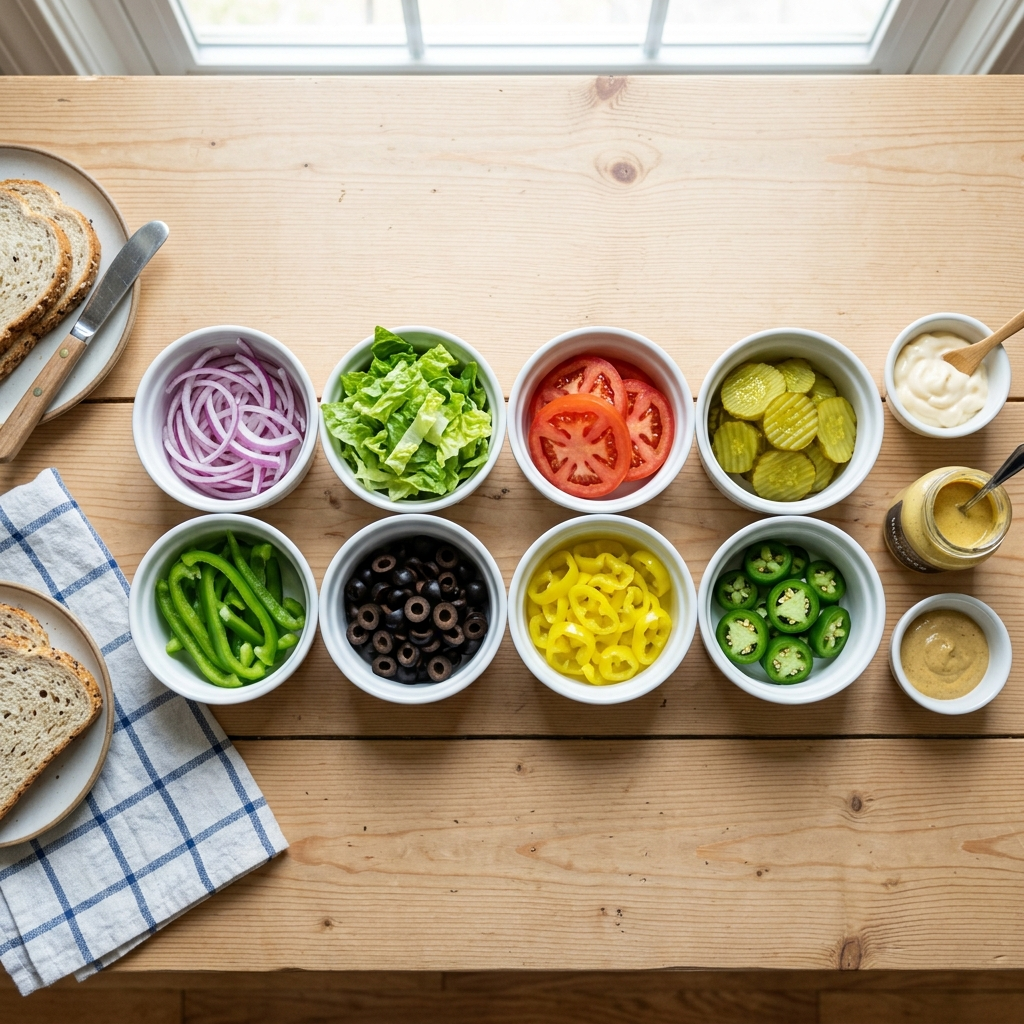
Cold sandwiches lean heavily on crisp, fresh vegetables. Lettuce, tomato, raw onion, pickles, and banana peppers are the standard lineup. These ingredients add texture contrast to soft bread and cold meat. If you’re building a cold sub, the goal is crunch and brightness. That’s why banana peppers have become such a popular addition — they bring a mild tangy heat that cuts through rich meats like salami and capicola without overwhelming them.
Hot sandwiches play by different rules. When you’re dealing with a hot vs cold sandwich, moisture management changes completely. Lettuce wilts. Tomato turns mushy. Raw onion gets sharp in a weird way when heated.
Instead, hot sandwiches rely on melted cheese, sautéed vegetables, and warm sauces. Grilled onions, roasted peppers, sautéed mushrooms, and caramelized onions are the big players here. Think of a Philly cheesesteak — it’s basically meat, melted cheese, and grilled onions. Or a French dip, where the au jus does the work that condiments would do on a cold build.
Coleslaw is an interesting crossover. It works on both hot and cold sandwiches, but it’s most famous as a topping for hot pulled pork and fried fish sandwiches. The cold, creamy crunch of the slaw against hot, rich meat is one of the best textural contrasts in American sandwich-making.
A practical note on food safety: If you’re using deli meats on cold sandwiches, the USDA recommends consuming opened deli meat within 3 to 5 days and keeping it refrigerated at 40°F or below. Deli meats are particularly susceptible to Listeria, which can grow even at refrigerator temperatures. This is general food safety information — if you have specific health concerns, consult a food safety professional or your doctor.
Common Sandwich Condiments With a Regional Twist
America is big, and sandwich preferences shift depending on where you are. A few regional toppings have started going national, but they still carry strong geographic identity.
Giardiniera is the signature topping for Italian beef sandwiches in Chicago. It’s a pickled mix of hot peppers, cauliflower, carrots, and celery packed in oil. The heat level ranges from mild to “your eyes will water.” If you’ve never tried it on a roast beef sandwich, you’re missing out. It’s starting to show up in delis outside the Midwest, but Chicago is still the heartland.
Pepperoncini are the standard hot pepper topping in the Northeast and Mid-Atlantic, especially on Italian subs in Philadelphia and New York. They’re milder than giardiniera and add a vinegary tang more than outright heat. Most deli counters in those regions will ask “hot or sweet?” when you order a sub, and they mean the peppers.
Coleslaw on sandwiches is a Southern and Midwestern tradition. Pulled pork sandwiches in the Carolinas aren’t complete without a heap of slaw right on the bun. In the Midwest, you’ll find it on fish sandwiches and even on some burgers. It adds coolness and crunch to rich, heavy fillings.
Chipotle mayo and sriracha aioli represent the newer wave of sandwich condiments. These creamy, spicy spreads have become standard at fast-casual chains and are now showing up in home kitchens. They work on chicken sandwiches, turkey clubs, and veggie wraps. If you want to make your own version at home, a good homemade sandwich spread is easier than you think — just mix mayo with chipotle in adobo or sriracha and a squeeze of lime.
Thousand Island dressing is the classic Reuben condiment and the backbone of the “special sauce” on burgers across the country. It’s sweet, tangy, and creamy, and it pairs perfectly with corned beef, sauerkraut, and Swiss cheese. It’s old-school, but it hasn’t gone anywhere.
How to Layer Toppings Without Ruining Your Sandwich
Knowing which toppings to use is only half the battle. The order you stack them in determines whether your sandwich holds together or turns into a soggy mess by lunchtime.
Here’s what actually happens when you build a sandwich wrong: the wet ingredients (tomato, pickles, dressing) sit directly against the bread. Within an hour, the bread absorbs that moisture and turns to mush. The fix is simple but most people skip it.
Start with a fat barrier. Spread mayo, butter, or cream cheese on both slices of bread. Fat repels water, so this thin layer acts as a shield between the bread and the wet toppings. This is the single most effective trick for keeping sandwiches from getting soggy, especially if you’re packing them for later. For more detail on this, this guide on how to prevent a soggy sandwich walks through the full process.
Put cheese next to the bread on hot sandwiches. When the cheese melts, it creates a seal that locks moisture in the filling and away from the bread. On cold sandwiches, cheese goes on top of the meat to hold everything together.
Keep wet ingredients in the middle. Tomato, pickles, and onion should sit between layers of meat or cheese, not touching the bread directly. If you’re building a tall sandwich, put the lettuce against the bread and the tomato on top of the lettuce. The lettuce acts as a second moisture barrier.
Dress the filling, not the bread. If you’re using oil and vinegar or Italian dressing, drizzle it over the meat and cheese in the center of the sandwich. Don’t pour it on the bread. This keeps the flavor where you want it and the bread dry.
A well-built sandwich should hold together through the last bite. If yours is falling apart or turning soggy, the problem is almost always layering, not the ingredients themselves. Learning to build the perfect deli sandwich takes a little practice, but once you get the order right, you’ll notice the difference immediately.
Frequently Asked Questions
What is the #1 most popular sandwich topping in America?
Lettuce is the most common sandwich topping in the U.S., followed closely by tomato and onion. Among condiments, mayonnaise is the clear leader. Consumer preference surveys consistently rank these four ingredients at the top across all age groups and regions.
What condiments go on a classic deli sub?
A standard American deli sub typically includes mayonnaise, mustard (yellow or Dijon), and oil and vinegar. Many shops also offer Italian dressing, ranch, and hot sauce as options. The specific combination depends on the type of sub — Italian subs lean toward oil and vinegar, while turkey and ham subs usually get mayo and mustard.
What are the best sandwich toppings for a party platter?
For a crowd, stick to toppings that hold up well at room temperature and appeal to broad tastes. Lettuce, tomato, pickles, red onion, and banana peppers are safe bets. Offer mayo, mustard, and oil and vinegar on the side so people can dress their own sandwiches. Avoid highly perishable items like fresh mozzarella or avocado unless you’re serving immediately.
The most popular sandwich toppings in America aren’t fancy, and that’s kind of the point. Mayo, lettuce, tomato, pickles, cheese, and a few peppers — that’s the foundation millions of people build on every single day. The magic is in the combinations and the details: salting your tomatoes, layering your wet ingredients in the center, swapping yellow mustard for Dijon when the meat calls for it.
Next time you make a sandwich, try changing just one thing. Switch your mustard. Add banana peppers. Drizzle oil and vinegar instead of reaching for the mayo. Small tweaks make a bigger difference than you’d expect, and you might just find a new favorite combination hiding in your fridge.