
You’ve got the meat sliced thin. You’ve picked your cheese. Then you load everything onto a roll that turns to mush the second the grease hits it. Sound familiar? The bread you choose can make or break your cheesesteak, and most people treat it as an afterthought. Let’s fix that. The best bread for cheesesteak needs a specific balance — soft enough to bite through easily, sturdy enough to hold hot, greasy filling without disintegrating. Here’s exactly what to look for and what to buy.
What Makes a Great Cheesesteak Roll?
Not every long roll is built for a cheesesteak. A cheesesteak is a messy sandwich by nature. You’re piling hot, thinly sliced ribeye (or your preferred cheesesteak meat cut) onto bread, then draping melted cheese over the top. That combination generates steam and grease in a big hurry.
A roll that works for a cold deli sandwich will often collapse under that kind of heat and moisture. So what separates a great cheesesteak roll from a bad one?
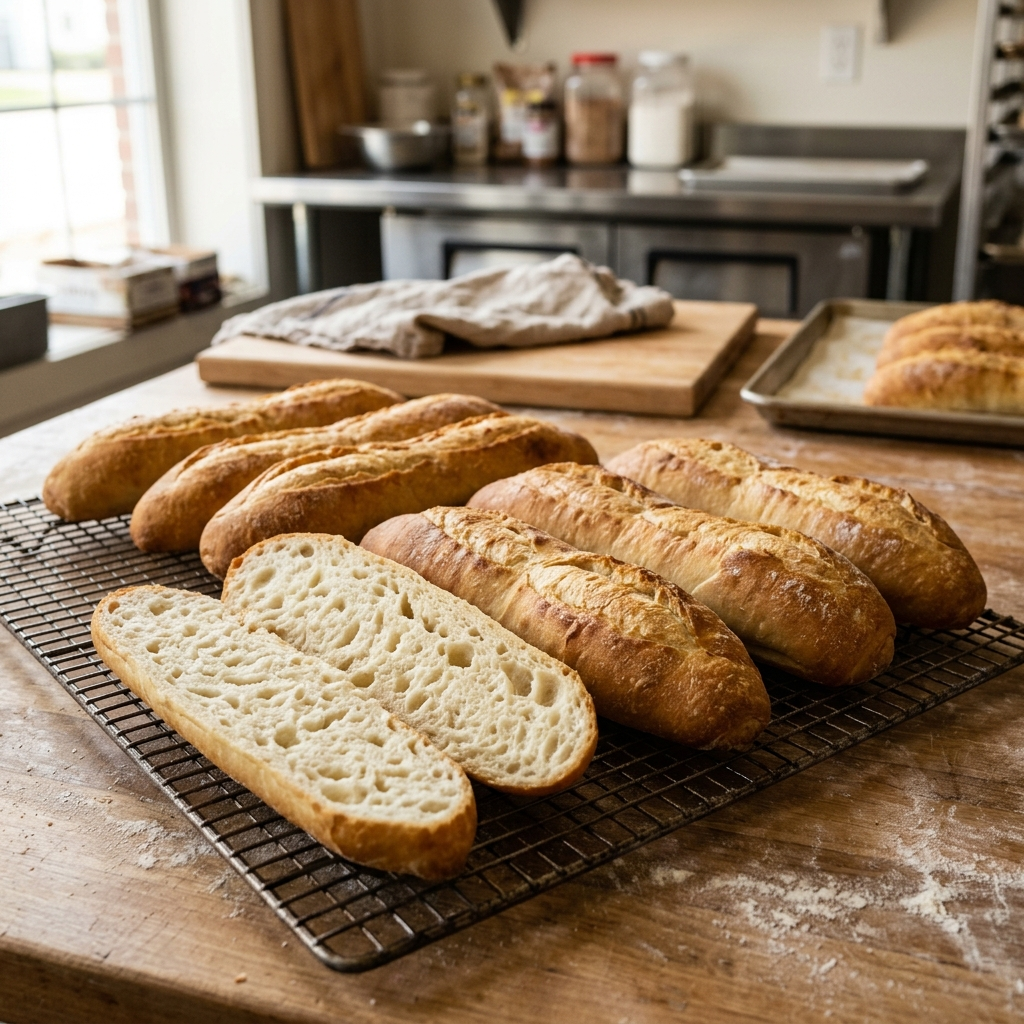
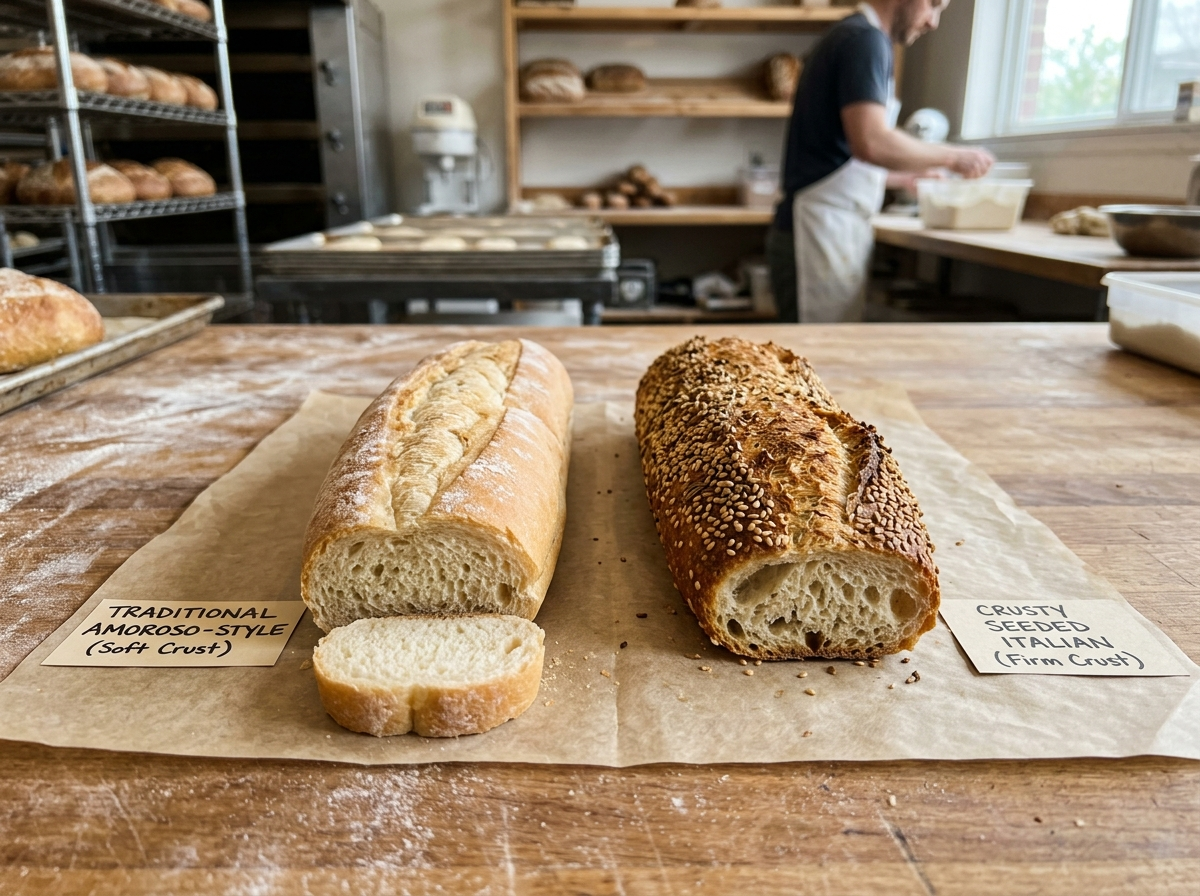
Crust-to-crumb ratio. This is the single most important factor. You want a thin, slightly crisp outer crust with a soft, airy interior — what bakers call the “crumb.” The crust acts as a barrier against grease and steam. The soft interior compresses slightly when you bite down, gripping the filling instead of letting it slide out the back. If the crust is too thick and hard, you’ll squeeze the filling out every time you take a bite. If it’s too thin and soft all the way through, the roll turns to paste.
Structural integrity under heat. Here’s what actually happens when you load a hot cheesesteak onto a roll: the steam from the meat softens the crumb from the inside while the grease soaks into the bottom crust. A good roll can absorb some of that moisture and still hold its shape for the five to ten minutes it takes you to eat it. A bad roll starts tearing at the hinge within the first few bites.
Size and shape. A proper cheesesteak roll is roughly 8 to 10 inches long with a slightly rounded top and a flat bottom. The flat bottom matters more than you’d think — it gives the sandwich stability on the wrapper and keeps the filling centered. The width should be generous enough to cradle a heaping pile of meat without spilling over the sides.
Freshness. This one’s non-negotiable. A day-old roll that’s started to dry out will shatter when you try to bite through it. A roll that’s too fresh and still warm from the oven will be too soft and gummy. You want a roll that was baked the same day but has had a few hours to cool and set. That’s the sweet spot.
The Gold Standard: Amoroso Rolls for Cheesesteak
Ask anyone in Philadelphia what roll belongs on a cheesesteak, and you’ll hear one name over and over: Amoroso. The Amoroso Baking Company has been supplying rolls to Philadelphia sandwich shops since 1904, and their signature hoagie roll is what you’ll find at legendary spots across the city. If you want to dig deeper into how this sandwich became a Philly icon, the Philly cheesesteak history is a fun read.
So what makes the Amoroso roll cheesesteak-worthy? It nails the crust-to-crumb ratio better than almost any mass-produced roll on the market. The exterior has just enough chew to resist grease saturation, while the inside is pillowy and light. When you fold a loaded cheesesteak into an Amoroso roll, the bread compresses around the filling like a gentle hug instead of cracking or going limp.
Amoroso rolls also come in a few varieties. The classic white hoagie roll is the default for most cheesesteak purists. They also make a wheat version and a seeded version, though the plain white roll is what you’ll see at most Philadelphia shops. The sesame seed option adds a nice nutty crunch, but it can compete with the flavor of the meat and cheese if you’re going for a traditional build.
The biggest challenge with Amoroso rolls is availability. Outside the Philadelphia metro area and the broader Mid-Atlantic region, they can be hard to find in regular grocery stores. You can order them directly from the Amoroso Baking Company online, and they ship frozen rolls that thaw beautifully. Many specialty food shops and Italian delis in larger cities also carry them or can order them for you.
Pro tip: If you order Amoroso rolls frozen, let them thaw at room temperature in the bag. Don’t microwave them to speed things up — the microwave will steam the crust and make it rubbery, which defeats the whole purpose of choosing a quality roll in the first place.
Best Bread for Cheesesteak When You Can’t Find Amoroso
Let’s be real. Not everyone lives within driving distance of a Philly bakery, and shipping frozen rolls isn’t always practical. The good news is that you can still make an excellent cheesesteak with rolls you can find at most grocery stores. You just need to know what to look for and what to avoid.
Hoagie Rolls
A standard hoagie roll is your best backup option and the most widely available cheesesteak roll type you’ll find in any supermarket. If you’re not sure what qualifies as a hoagie versus a sub or a grinder, this breakdown of what is a hoagie clears up the confusion.
Look for hoagie rolls that feel soft when you squeeze them gently but still have a defined crust on the outside. The rolls in the bakery section of your grocery store are almost always better than the pre-packaged ones in the bread aisle. Pre-packaged hoagie rolls tend to be too soft and uniform — they lack the crust structure you need to hold up against hot, greasy filling.
If your local grocery store has an in-house bakery, ask them for their freshest hoagie rolls and try to pick them up the same morning you plan to make your cheesesteaks. Freshness makes a bigger difference than brand when you’re working with generic hoagie rolls.
Italian Rolls
Italian rolls are a solid alternative, especially the softer varieties. They tend to have a slightly thicker crust than hoagie rolls, which gives them good structural integrity. The trade-off is that the thicker crust can make the sandwich harder to bite through, especially if the roll isn’t super fresh.
The best approach with an Italian roll is to look for one labeled “soft Italian” rather than “crusty Italian.” A crusty Italian roll — the kind you’d use for a panini or a bruschetta — will fight you every time you try to take a bite. Your filling will shoot out the back while you’re still gnawing through the top crust.
Sub Rolls
Sub rolls can work in a pinch, but they’re usually the weakest option of the three. Most grocery store sub rolls are designed for cold sandwiches. They’re soft, fluffy, and have almost no crust to speak of. That means they absorb grease and steam very quickly, and you’ll end up with a soggy bottom within minutes.
If a sub roll is your only option, you can shore it up by toasting it more aggressively (more on that in a minute) and by using a lighter hand with the meat and cheese. Don’t overload it the way you would an Amoroso roll.
Other Options Worth Mentioning
Some people swear by bolillo rolls for cheesesteaks, especially in the Southwest where bolillos are easy to find. A bolillo has a crisp crust and a soft, airy interior that actually handles hot fillings quite well. The shape is a bit rounder and shorter than a traditional cheesesteak roll, so you’ll need to adjust your meat-to-bread ratio, but the texture is surprisingly close to what you want.
French bread is another option you’ll see recommended online, but proceed with caution. A baguette-style French bread is too crusty and narrow. A wider, softer French loaf can work if you cut it into appropriate sections, but the crumb structure is usually too open and holey — the grease will seep right through those big air pockets and make a mess.
Rolls to Avoid for Cheesesteaks
Just as important as knowing what to use is knowing what to skip. These rolls will let you down every time:
Brioche rolls. Brioche is buttery, rich, and delicious — for a burger or a breakfast sandwich. For a cheesesteak, it’s a disaster. The high fat content in the dough means the roll is already saturated before the meat grease even touches it. It will collapse into a sweet, greasy puddle within minutes.
Ciabatta. Ciabatta has a gorgeous open crumb, but that’s exactly the problem. Those big, irregular holes let steam and grease pass straight through to your hands. Ciabatta is built for absorbing olive oil and balsamic vinegar on a cold sandwich, not for containing a hot, dripping cheesesteak.
Pretzel rolls. The thick, chewy crust of a pretzel roll makes it nearly impossible to bite through cleanly when it’s loaded with hot filling. You’ll end up pulling the entire sandwich apart with your hands, and the dense interior doesn’t compress the way a good cheesesteak roll should.
Anything pre-sliced from a bag. If the roll came pre-sliced in a plastic bag on a supermarket shelf, it’s almost certainly too soft and too stale to do the job. The pre-slicing also exposes the crumb to air, which accelerates staling and makes the interior dry and crumbly.
How to Prep Your Cheesesteak Roll
Picking the right roll is only half the battle. How you prep it matters just as much. A great roll that’s prepped poorly will underperform, and a mediocre roll that’s prepped well can surprise you.
Slicing. Always slice your roll from the top, not the side. Cut about three-quarters of the way through the top of the roll, leaving the bottom intact as a hinge. This creates a pocket that cradles the filling and keeps it from falling out the sides. If you slice all the way through, you’ll lose structural support and the two halves will separate the moment you pick the sandwich up.
Toasting. This is where you can rescue a less-than-perfect roll. Lightly toasting the interior of the roll creates a thin barrier that slows down grease absorption. You don’t want to toast the roll until it’s crunchy — that defeats the purpose of a soft cheesesteak roll. You just want a light golden color on the cut surfaces. A flat-top griddle or a dry skillet over medium heat works best. Place the roll cut-side down for about 30 to 60 seconds, just until you see a hint of color. If you want more detail on keeping your sandwich structurally sound, these tips on how to prevent a soggy sandwich are worth a look.
Hollowing (optional). Some Philly shops scoop out a thin layer of the soft interior crumb before loading the sandwich. This creates more room for filling and removes some of the bread that would otherwise turn to mush from the steam. You don’t have to do this at home, but if you’re working with a particularly thick, bready roll, scooping out a little of the interior can improve the meat-to-bread ratio and reduce sogginess.
Timing. Load your roll as close to serving time as possible. The longer hot meat and cheese sit on the bread, the more moisture the crumb absorbs. If you’re making cheesesteaks for a group, keep the rolls wrapped in foil or a clean kitchen towel until the meat is ready, then assemble and serve immediately.
Cheesesteak Roll Comparison at a Glance
| Roll Type | Crust Strength | Interior Softness | Grease Resistance | Availability | Best For |
|---|---|---|---|---|---|
| Amoroso Hoagie | Medium | Very soft | High | Low (Mid-Atlantic, online) | Authentic Philly cheesesteak |
| Bakery Hoagie | Medium | Soft | Medium | High | Best everyday alternative |
| Soft Italian | Medium-high | Soft | Medium-high | Medium | Heavier fillings |
| Sub Roll | Low | Very soft | Low | High | Light cheesesteaks only |
| Bolillo | High | Soft | High | Medium (Southwest) | Crisp-crust lovers |
| Brioche | Low | Very soft | Very low | High | Avoid for cheesesteaks |
Frequently Asked Questions
What kind of bread is used for a real Philly cheesesteak?
The traditional choice is a long, soft Italian-style hoagie roll, and in Philadelphia specifically, the Amoroso roll is the overwhelming favorite. It’s an 8-to-10-inch white roll with a thin, slightly chewy crust and a pillowy interior. Most iconic Philly shops — including Pat’s and Geno’s — have used Amoroso rolls for decades. If you’re building a cheesesteak at home and want the most authentic result, an Amoroso roll is the way to go.
Can I use a sub roll for a cheesesteak?
You can, but it’s not ideal. Most sub rolls are too soft and lack the crust structure needed to hold up against hot, greasy filling. If a sub roll is your only option, toast the interior lightly to create a moisture barrier and don’t overload it with meat and cheese. You’ll get a decent sandwich, but it won’t hold together the way a proper hoagie roll will.
Should I toast my cheesesteak roll?
A light toast on the cut interior is a good idea, especially if your roll isn’t the sturdiest option. You’re not going for crunch — just a faint golden color that helps the bread resist soaking up grease and steam. Toast the roll cut-side down on a dry skillet or flat-top griddle for 30 to 60 seconds. Skip the butter or oil; the cheesesteak filling will provide more than enough fat on its own.
Getting the Most Out of Your Cheesesteak Bread
The bread is the foundation of your cheesesteak, and it deserves as much attention as the meat and cheese you choose. A great roll elevates every other ingredient. A bad roll undermines them.
Start with the best roll you can find — Amoroso if you can get it, a fresh bakery hoagie if you can’t. Toast the interior lightly, slice from the top, and assemble right before you eat. If you end up with leftovers, the roll’s quality will also determine how well the sandwich reheats, so check out these tips on how to reheat a cheesesteak without turning the bread into a soggy mess.
Your next cheesesteak night is only as good as the roll you put it on. Grab the right bread, and everything else falls into place.