
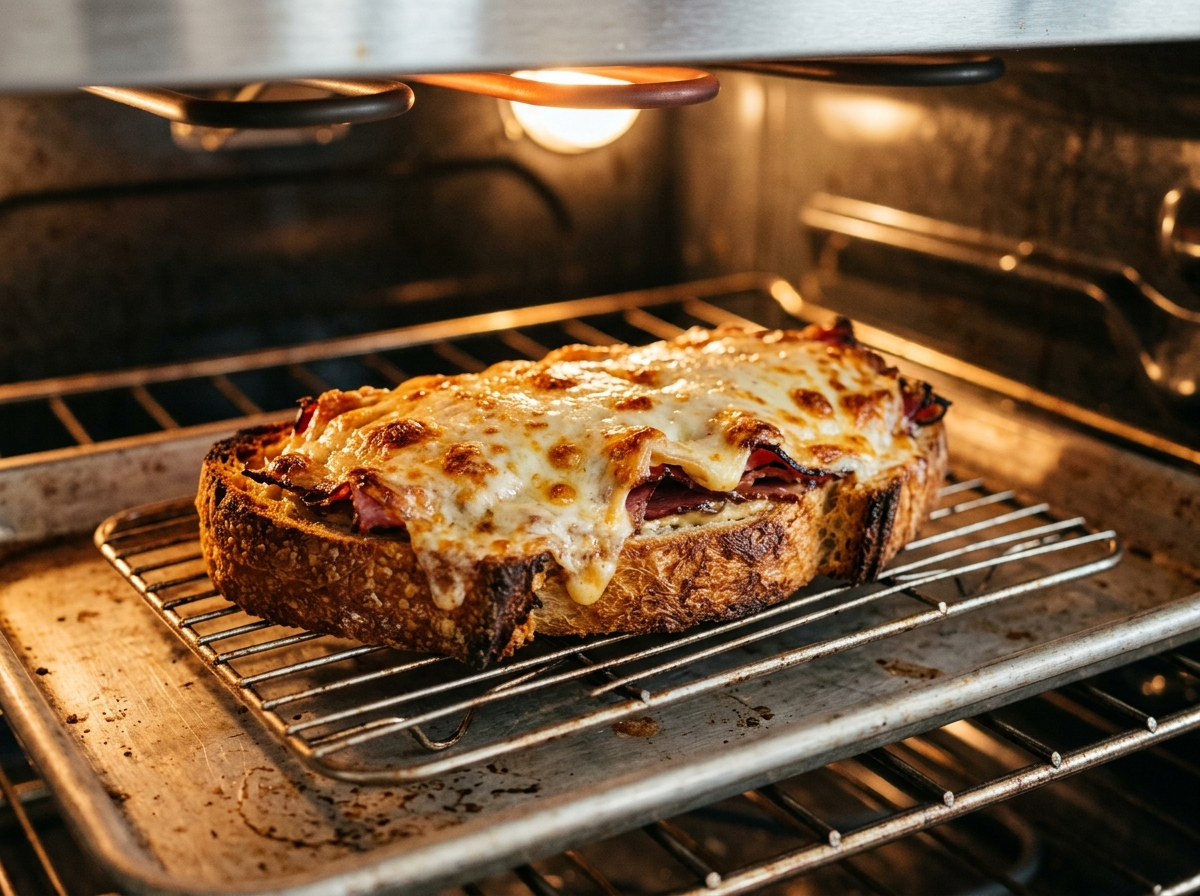
Your panini press is buried in the back of a cabinet. Your skillet’s in the dishwasher. But you’ve got an oven, and you’ve got a sandwich that needs to be hot and crispy right now. Good news — learning how to toast a sandwich in the oven is dead simple, and the results rival anything you’d get from a countertop gadget. You just need the right temperature, the right rack position, and about ten minutes. Here’s exactly how to do it without ending up with a soggy mess or burnt edges.
Why Toast a Sandwich in the Oven?
Most people reach for a skillet or a panini press when they want a hot sandwich. Those tools work great for one or two servings. But what happens when you’re feeding a family of five on a Tuesday night? You don’t want to stand at the stove flipping sandwiches one at a time while everyone else’s dinner gets cold.
The oven solves that problem fast. You can fit four, five, even six sandwiches on a single baking sheet and toast them all at once. Every sandwich comes out evenly golden, and you didn’t have to babysit a single one.
There’s another reason the oven method shines. It heats the sandwich from all sides, not just the top and bottom. That means your cheese melts more evenly and your fillings warm all the way through. If you’ve ever bitten into a grilled cheese that’s burnt on the outside but still cold in the middle, you already know why this matters.
The oven also gives you more control than a stovetop pan. You set the temperature, you set the timer, and you walk away. No hovering, no guessing, no flipping every thirty seconds to check for burning.
How to Toast a Sandwich in the Oven (Step-by-Step)
This is the part you came for. The actual method is straightforward, but a few small details make the difference between “pretty good” and “seriously crispy.”
Choosing the Right Bread
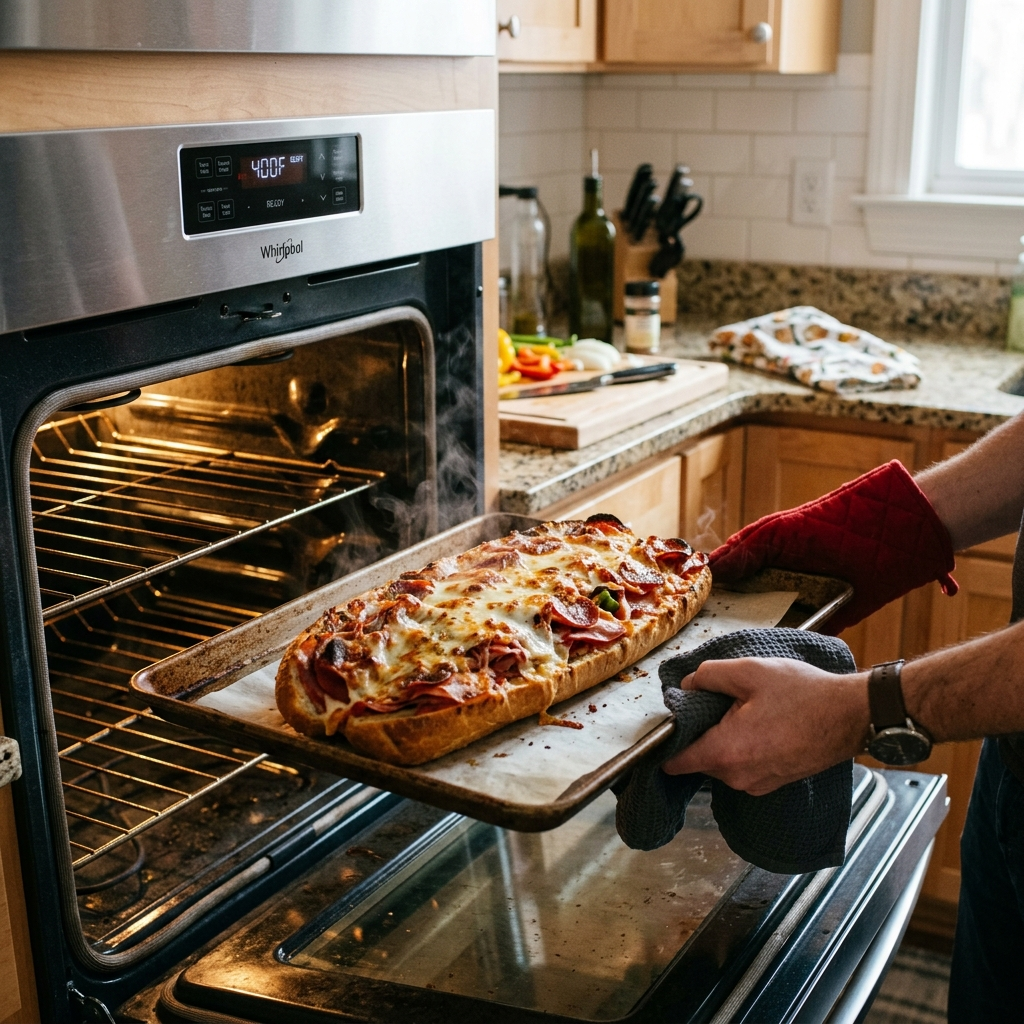
Not every bread toasts the same way in the oven. Thick-cut sourdough, ciabatta, and sturdy Italian rolls hold up beautifully. They have enough structure to crisp on the outside without drying out completely on the inside.
Thin sandwich bread — the soft, squishy kind from the middle of the grocery aisle — can work, but it toasts much faster and dries out more easily. If that’s all you have, keep your oven temp on the lower end and check early.
Rye and pumpernickel sit somewhere in the middle. They toast well but can get hard rather than crispy if you leave them in too long. Keep an eye on them after the five-minute mark.
Prepping Your Sandwich for the Oven
Here’s where a lot of people go wrong. They build the sandwich, throw it on a pan, and hope for the best. A little prep goes a long way.
Start by spreading a thin layer of fat on the outside of both slices of bread. Butter is the classic choice, and it gives you that rich, golden color you’re after. But mayonnaise actually works even better for oven toasting. Mayo has a higher smoke point than butter, so it browns more evenly without burning. It sounds weird if you’ve never tried it, but the flavor difference is minimal and the texture improvement is real.
Next, think about moisture. Wet ingredients like tomatoes, pickles, and sauerkraut can steam the bread from the inside and ruin your crisp. If you want those ingredients in your sandwich, layer them between drier items like cheese and meat so they don’t sit directly against the bread. You can find more detailed strategies in this guide on how to prevent a soggy sandwich.
Assemble the sandwich firmly but don’t smash it. You want the layers to stay in contact so the heat transfers evenly, but pressing too hard squeezes out moisture that will make the bread soggy.
Oven Temperature and Rack Position
Set your oven to 375°F for most sandwiches. This is the sweet spot — hot enough to crisp the bread and melt cheese within about 8 to 10 minutes, but not so hot that the outside burns before the inside warms through.
If you’re working with a very thick sandwich — think a loaded Reuben or a big Italian hoagie — drop the temp to 350°F and give it a few extra minutes. The lower heat lets the warmth penetrate to the center without scorching the crust.
Rack position matters more than most people realize. Place your baking sheet on the middle rack for even toasting on both sides. If you put it on the top rack, the top of the sandwich will brown much faster than the bottom. If you put it on the bottom rack, the opposite happens. Middle is your friend.
Use a regular baking sheet, and line it with parchment paper if you want easy cleanup. You don’t need a wire rack or any special equipment. A plain sheet pan does the job perfectly.
Timing and Flipping
At 375°F, most standard sandwiches take 8 to 10 minutes total. Here’s the timing that works best in my kitchen: bake for 5 minutes, then flip the sandwich and bake for another 3 to 5 minutes.
That flip is the key to getting crispy toasted sandwich bread on both sides. Without it, the bottom stays soft and pale while the top gets all the color. A quick flip halfway through fixes that.
How do you know it’s done? The bread should be golden brown and firm to the touch. If you gently press the top and it feels crisp rather than squishy, you’re there. If the cheese isn’t fully melted yet but the bread is getting dark, tent a piece of foil loosely over the sandwich for the last minute or two. That traps heat to finish melting the cheese without adding more browning.
Tips for Crispy Toasted Sandwich Bread Every Time
Getting that satisfying crunch isn’t just about temperature and timing. A few small tricks can push your oven toasted sandwich from good to great.
Preheat the oven fully. This sounds obvious, but a lot of people slide their sandwich in while the oven is still climbing to temperature. A half-heated oven steams the bread instead of toasting it. Wait until the preheat beep goes off, then give it another two minutes just to be safe.
Don’t overcrowd the pan. If you’re baking a sandwich for a crowd, leave at least an inch of space between each one. Air needs to circulate around the bread for it to crisp properly. Crowded sandwiches steam each other and come out soft.
Use room-temperature fillings when you can. Cold deli meat straight from the fridge takes longer to heat through, which means the bread spends more time in the oven and risks drying out. If you have a few extra minutes, let your meat and cheese sit on the counter while the oven preheats.
Try the double-toast method for extra crunch. Toast the bread slices on their own for 3 minutes first, then pull them out, assemble the sandwich, and put it back in for another 5 to 6 minutes. This works especially well for sandwiches with a lot of wet fillings. The pre-toasted bread has a head start on crisping and holds up better against moisture.
If you’re curious about how different hot sandwich styles compare and which ones benefit most from oven heat, this breakdown of melt vs panini vs grilled cheese is worth a quick read.
Baking a Sandwich vs. Broiling: What’s the Difference?
You might be wondering whether you should use the broil setting instead of bake. It’s a fair question, and the answer depends on what you’re going for.
Baking uses the oven’s main heating element (usually the bottom one) to surround the food with steady, moderate heat. It cooks evenly and gives you time to melt cheese and warm fillings without burning the bread. This is the method I described above, and it’s the safest bet for most sandwiches.
Broiling blasts the top of the food with intense, direct heat from the upper element — usually around 500°F to 550°F. It browns things very fast, often in 1 to 3 minutes. That’s great if you just want to melt cheese on an open-faced sandwich or give the top of a sub a quick char. But for a closed sandwich, broiling is risky. The top will blacken before the bottom gets warm, and the inside might still be cold.
My recommendation: bake for closed sandwiches, broil for open-faced ones. If you want the best of both worlds, bake the sandwich at 375°F for 7 or 8 minutes, then switch to broil for the final 60 to 90 seconds to get that deep golden color on top. Just don’t walk away during the broil step. Things go from perfect to burnt in about thirty seconds under a broiler.
Best Sandwiches to Toast in the Oven
Some sandwiches take to oven toasting better than others. Here are a few that work especially well.
Grilled cheese is the obvious one, and the oven method is a huge upgrade when you need more than two at a time. Use a good melting cheese like cheddar, Gruyère, or American, and don’t skimp on the butter or mayo on the outside of the bread.
Reubens are fantastic oven-toasted. The heat melts the Swiss cheese and warms the corned beef and sauerkraut evenly. Just make sure to drain the sauerkraut well before assembling — excess liquid is the enemy of crispy bread. If you want a full walkthrough, this classic Reuben recipe covers the details.
Italian hoagies and subs with layers of deli meat, provolone, and peppers toast beautifully in the oven. The bread gets crunchy on the outside while staying chewy inside. Build your sandwich properly using tips from this guide on how to build a perfect deli sandwich, then pop it in at 375°F for about 10 minutes.
Tuna melts and patty melts also do well. The oven gives the bread a more even crunch than a skillet, and the cheese melts into every crevice.
Chicken cheesesteaks and other loaded hot sandwiches benefit from the oven’s surround heat. When you’ve got a sandwich stacked with chicken, peppers, onions, and cheese, a skillet only heats the top and bottom. The oven warms everything at once. Check out this chicken cheesesteak guide if you want filling ideas.
Food Safety Note for Deli Meat Sandwiches
If you’re toasting a sandwich loaded with deli meats — turkey, ham, roast beef, salami — it’s worth knowing that the USDA recommends heating deli meats to an internal temperature of 165°F for people who are pregnant, over 65, or immunocompromised. This is because deli meats can carry Listeria, a bacteria that’s killed by thorough heating. You can verify this guidance directly through the USDA Food Safety and Inspection Service.
For most healthy adults, a warm, melty sandwich straight from the oven is perfectly fine. But if you’re cooking for someone in a higher-risk group, use a quick-read thermometer to check the center of the sandwich before serving. A few extra minutes in the oven won’t hurt the texture, and it gives you peace of mind.
This is general food safety information and not a substitute for professional medical or dietary advice. When in doubt, consult your doctor or a food safety resource like the USDA.
Troubleshooting Common Problems
Bread is burnt but cheese isn’t melted. Your oven temp is too high. Drop it to 350°F and give the sandwich more time. You can also tent foil over the top to slow down browning while the inside catches up.
Bread is pale and soft. Your oven wasn’t fully preheated, or you skipped the fat on the outside of the bread. Dry bread in a moderate oven just dries out — it doesn’t crisp. You need that thin layer of butter or mayo to conduct heat and trigger the Maillard reaction, the chemical process that creates browning and flavor at temperatures above 280°F.
Sandwich is soggy in the middle. Too much moisture from the fillings. Drain wet ingredients, layer cheese between the bread and the wet stuff, and consider the double-toast method mentioned earlier.
Bottom is soft, top is crispy. You didn’t flip the sandwich halfway through. That one flip makes a huge difference. Don’t skip it.
FAQ
How long does it take to toast a sandwich in the oven?
At 375°F, most sandwiches take 8 to 10 minutes total, with a flip halfway through. Thicker sandwiches may need 12 to 15 minutes at 350°F. The bread should be golden brown and the cheese fully melted when it’s done.
Can I toast a sandwich in the oven without flipping it?
You can, but the bottom will stay softer than the top. If you don’t want to flip, place the sandwich on a wire rack set inside your baking sheet. This lets hot air circulate underneath and crisps both sides more evenly. It’s not quite as effective as flipping, but it’s a decent shortcut.
What temperature is best for an oven toasted sandwich?
375°F is the best all-around temperature for baking a sandwich in the oven. It’s hot enough to crisp the bread and melt cheese in under ten minutes without burning the outside. Go lower (350°F) for thick, overstuffed sandwiches and higher (400°F) for thin, simple ones like a basic grilled cheese.
Is it better to use butter or mayo on the outside of the bread?
Both work, but mayo has a slight edge for oven toasting. Mayonnaise has a higher smoke point than butter, so it browns more evenly at higher temperatures without burning. The flavor difference is barely noticeable once toasted. If you prefer the taste of butter, use it — just keep an eye on the sandwich during the last couple of minutes.
Wrapping It Up
Toasting a sandwich in the oven isn’t complicated, but the small details — the fat on the outside of the bread, the middle rack position, the halfway flip — are what separate a forgettable sandwich from one that crunches when you bite into it.
Next time you’re feeding a group or just don’t feel like standing over a skillet, preheat that oven to 375°F, butter up your bread, and let the oven do the work. You’ll wonder why you didn’t start doing this sooner.
Now go make something crispy.