
A decade ago, plant-based patties were a curiosity. In 2015, Burger Weekly ran a piece where the writer interviewed YouTube’s Wheezy Waiter about his visit to Beyond Meat — then a startup trying to make a plant-based patty out of pea protein. His verdict was measured: it tasted good, he said, but not like a burger. More like a veggie burger. A Coke Zero burger. And back then, that was about as far as the conversation went.
Fast forward to now. Beyond Meat and Impossible Foods sit in the meat aisle of every grocery store in America. They’ve been on fast-food menus, they had the biggest food IPO of 2019, they survived the hype crash of the early twenties, and they’re still here. The question has changed. Nobody’s asking anymore whether the category will exist. The question is the only one that ever mattered: are these things actually any good?
We’ve cooked them, eaten them, served them to unsuspecting guests, and argued about them at length. Here’s the honest review.
What’s Actually in These Things
Strip away the marketing and the two big players take different roads to the same destination. Beyond Meat builds its patty on pea protein — along with mung bean, faba bean, and rice proteins — with coconut oil and cocoa butter standing in for beef fat, and beet juice giving it that raw pink color and the “bleed” effect on the grill. No soy, no gluten, no GMOs, which is a big part of its appeal to the health-conscious crowd.
Impossible Foods goes another way. Its base is soy protein, and its signature trick is soy leghemoglobin — “heme” — a molecule produced by engineered yeast that carries the iron-rich flavor of blood. That’s what gives the Impossible patty its unsettlingly beef-like aroma when it hits a hot pan, and it’s what lets it “bleed” a little pink when you bite in. Heme is the whole argument for Impossible in one ingredient: they decided meat tastes like meat mostly because of heme, so they recreated heme without the cow.
Nutritionally, a quarter-pound patty from either brand lands around 240 calories with 19 to 20 grams of protein — in the same ballpark as an 80/20 beef patty. They are not, despite what the branding implies, health food. They’re processed products with long ingredient lists, comparable fat and sodium to beef, and a premium price tag on top.
How They Cook (and How They Don’t)
This is where most people go wrong. Plant-based patties look like beef and even smell a little like beef on the grill, so the temptation is to cook them exactly like beef. Don’t. They cook faster than a beef patty, they’re more delicate going on and coming off the heat, and they do not want a screaming-hot surface. Medium-high heat, a light layer of oil on the grate or pan, and a couple of minutes per side will get you a proper sear without drying the patty into a hockey puck.
Two more rules that apply to beef and doubly apply here: don’t press them, and don’t walk away. There’s no fat rendering to forgive your mistakes — the coconut oil is doing the juiciness work, and once it’s squeezed out or burned off, it’s gone. The packaging calls for a full cook, no rare centers, no matter how beef-like that pink middle looks. Treat that as a commandment, not a suggestion.
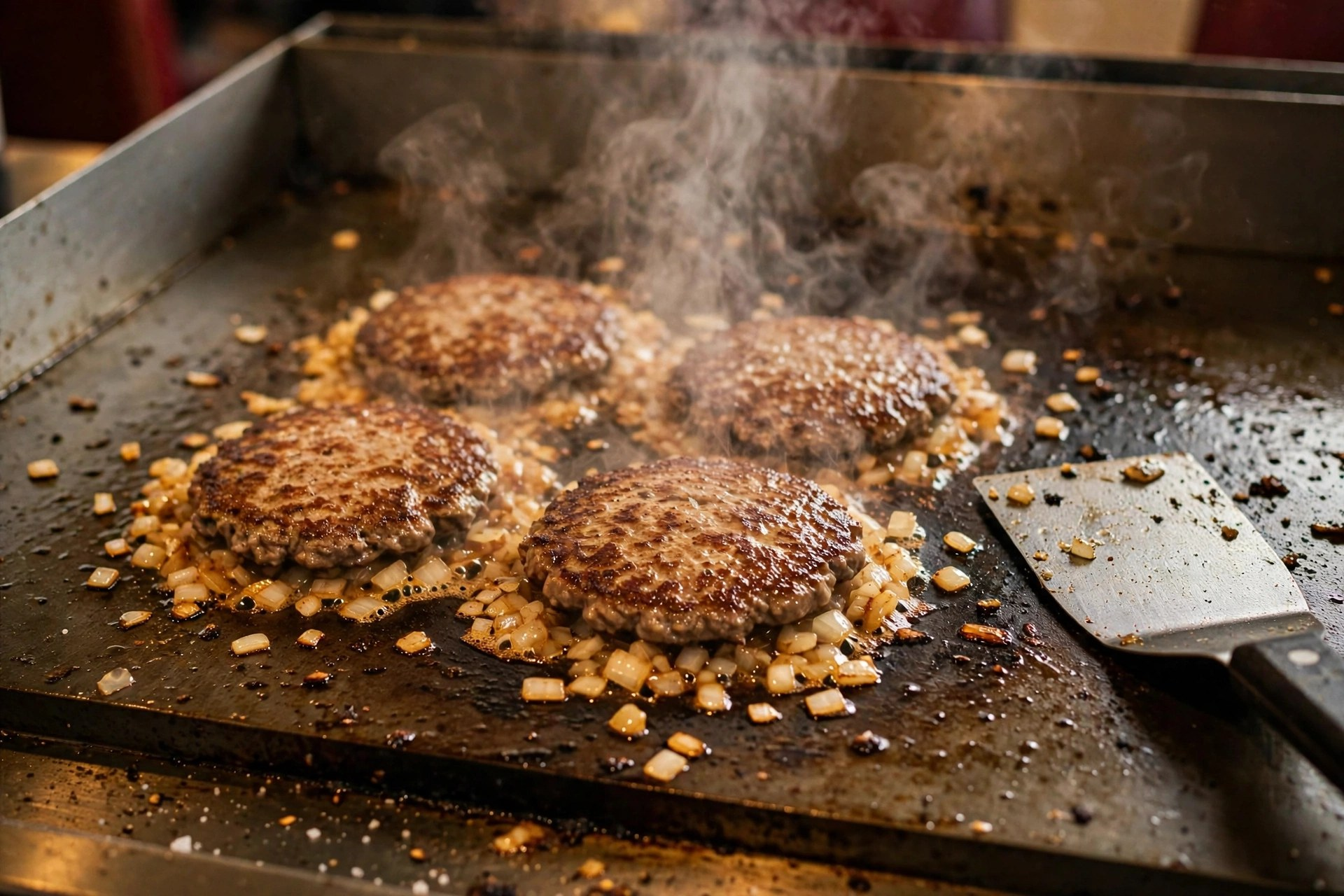
What they do well is take a sear. A flat top or a cast iron skillet gives them the kind of crust that makes a burger taste like a burger, and if you’ve got decent grilling fundamentals — cold patty, hot surface, patience before the first flip — the same discipline pays off here. Just shave a minute off your expectations and keep the tongs gentle.
What Works
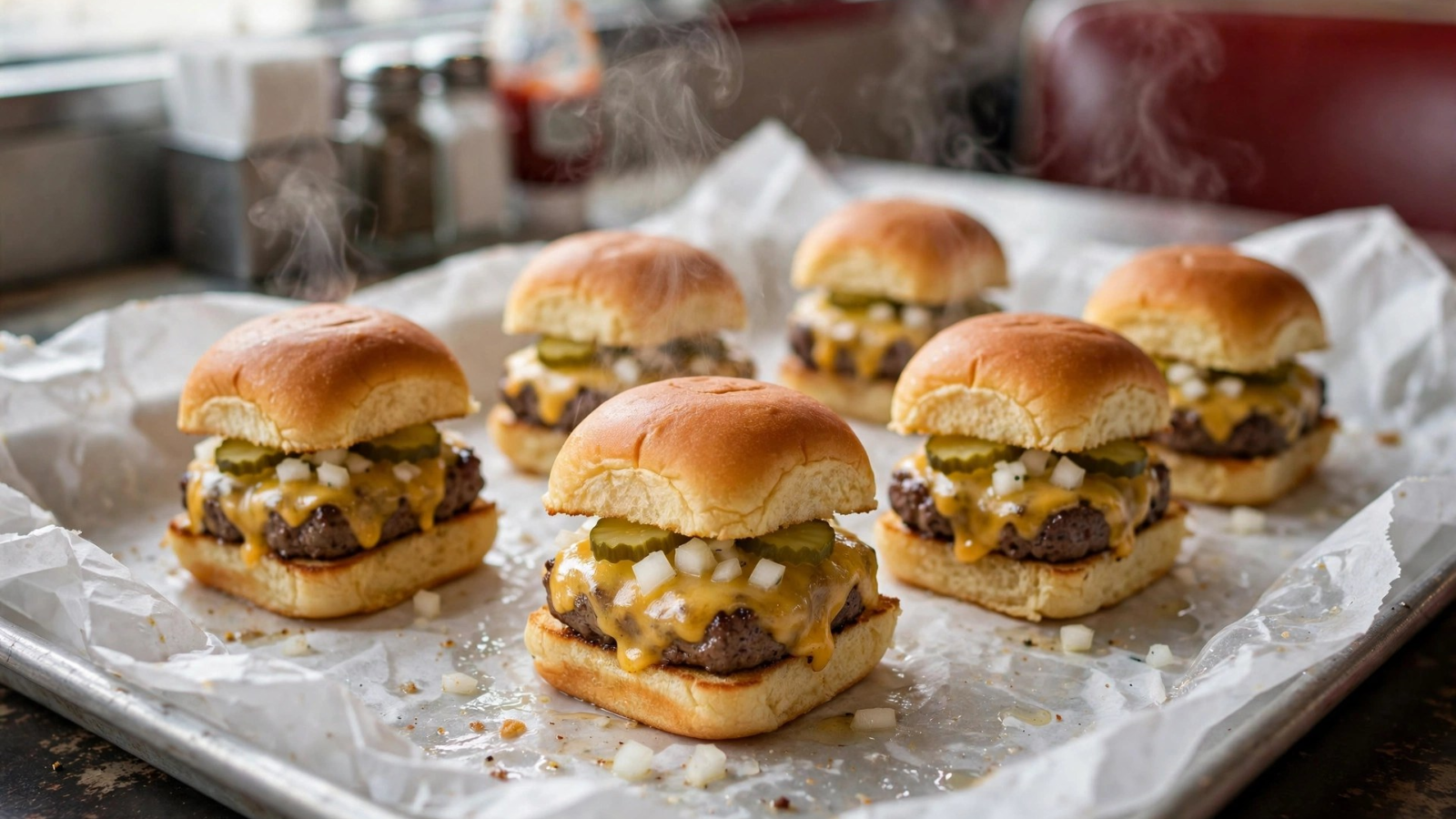
Let’s start with the honest positive, because there is one: dressed properly, these are genuinely good burgers. Put a seared Impossible patty on a toasted potato bun with melted cheese, pickles, shredded lettuce, and a real sauce, and hand it to a hungry person without announcing it. Most of them will eat it happily. Some of them will ask which blend you used. The heme does its job — there’s an iron-rich savor in there that reads, to most palates, as beef. In a full build, the gap between an Impossible burger and a mediocre bar burger is smaller than any beef purist wants to admit.
Beyond has its own lane. It’s the pick for the soy-free crowd, it holds together well on a grill grate, and its slightly lighter, almost sweet flavor works nicely when the toppings bring the punch. Both brands’ fat content means they can be genuinely juicy — not in the dripping-down-your-arm way of a smashed chuck patty, but juicy enough that you don’t feel like you’re eating penance.
And here’s the thing the veggie-burger discourse got right years ago: a burger is a system, not a patty. The bun, the cheese, the sauce, the crunch — they do an enormous share of the work. Our whole philosophy on what makes a veggie burger actually good applies here too. Build it right and the patty just has to show up and play its part.
What Doesn’t
Now the other side. Eat one of these patties naked — no cheese, no sauce, no pickles, just patty on a bun — and the illusion thins out fast. There’s a faint earthiness, a little sweetness, and a texture that gets gummy if you overcook it by even a minute. Nobody’s mistaking it for a dry-aged chuck blend. The heme aroma that smells so convincing on the grill can taste faintly metallic in the mouth, like you licked a battery with ambition.
Reheating is a disaster. A leftover plant-based patty microwaved the next day is a sad, rubbery thing, worse than leftover beef by a mile. The price still stings — you’re paying a premium over ground chuck for a product with a longer ingredient list and a shorter history. And the pink center, while clever, unnerves some people precisely because it looks like undercooked beef that isn’t undercooked. Your brain knows it’s plants. Your instincts are filing a complaint.
There’s also the health halo to puncture. These are ultra-processed products. If you’re choosing them over beef for health reasons, that’s a conversation to have with actual nutrition information, not the green packaging. The legitimate reasons to choose them are dietary restrictions, environmental concerns, or simply preference — and all of those are perfectly good reasons. “It’s healthier” isn’t automatically one of them.
Who They’re Actually For
This is the question the whole category dances around, so let’s just say it. Plant-based patties are for the household where one person doesn’t eat meat and everyone else does, and you want burger night to still be burger night. They’re for the flexitarian who eats beef four days a week and wants an easy swap on the fifth. They’re for the vegetarian who’s tired of the black-bean puck and wants something that hits the burger-shaped hole in their life. In all three cases, they deliver.
They are not for the beef purist, and they shouldn’t have to be. Nobody’s asking a dry-aged ribeye to apologize for being a cow, and nobody should ask a pea-protein patty to apologize for not being one. The category is at its best when it stops begging for the beef eater’s approval and just serves the people who already want it.
The Honest Verdict
A decade after that Wheezy Waiter interview, the verdict has shifted. Benzine said it tasted good but not like a burger, and in 2015 that was a polite way of saying it wasn’t there yet. The products of 2026 are genuinely there — not as beef replacements, but as their own thing that happens to work in a bun.
Grade them as burgers, not miracles. The Impossible is the closer mimic, the better pick when you’re feeding skeptics. Beyond is the more flexible, allergen-friendly option that plays well in a big, loud build. Neither is health food, neither will fool a serious beef eater eating blindfolded — actually, nobody’s doing blindfold tests, so let’s say neither will fool one eating a naked patty — and both are at their best buried in cheese, pickles, and a good bun with a proper sear.
The hype cycle is over, and honestly, that’s when a food product gets interesting. The frenzy of 2019 died down, the stock charts got boring, and what survived is a solid, useful ingredient for a specific job. Cook it like you mean it, build it like a real burger, and it’s a good burger. Ask it to be beef, and it will always come up short — because it isn’t, and that’s fine.